Solar Panel Lifespan: How Long Do Panels Last?
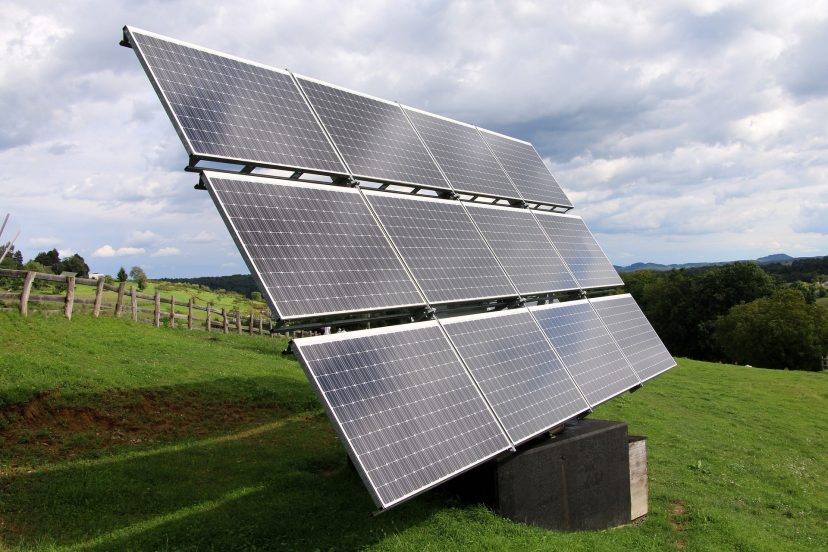
Solar is a long-term purchase, so it is reasonable to wonder whether the panels will still earn their place on your roof decades from now. The typical Solar Panel Lifespan is measured in decades, not years, but age alone does not tell the whole story. Panels usually lose output gradually rather than failing on a single expiration date. Their real working life depends on degradation, climate, installation quality, maintenance, warranties, and whether the system still meets your electricity needs. This guide explains how long panels commonly last, what makes them age faster, how to read warranty promises, and when repair or replacement makes practical sense. You will also find carefully chosen maintenance and diagnostic products for different homes, budgets, and experience levels.
What is the typical lifespan of a solar panel?
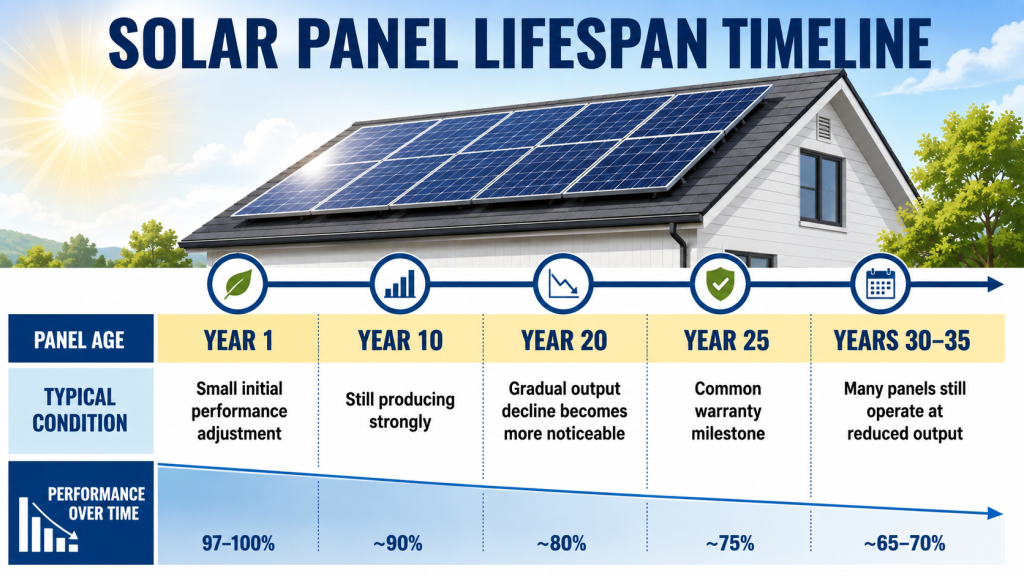
A practical planning range for modern panels is 25 to 35 years, although well-built modules can keep producing beyond that period. The U.S. Department of Energy reported in 2025 that the average expected operating life used by U.S. solar-industry professionals had increased from about 20 years in 2007 to 25–35 years.
That range is not a countdown to darkness. Solar Panel Lifespan often ends for practical reasons—lower output, roof work, repair costs, or a worthwhile upgrade—not because every module stops working.
What “Lifespan” Really Means for a Solar Panel
A panel’s technical life ends when damage prevents safe operation. Its economic life ends when keeping it no longer makes financial sense. Its warranty life ends when coverage expires.
These dates rarely match perfectly. A panel may work long after its warranty, while a safe older system may still be replaced because it no longer meets household demand. Judge Solar Panel Lifespan by condition, useful energy, and ownership goals rather than age alone.
How Solar Panel Degradation Changes Output Over Time
Degradation is the gradual decline in output caused by years outdoors. A peer-reviewed review of nearly 2,000 published degradation rates found a median of about 0.5% per year. A large U.S. fleet analysis later reported a median system-level performance loss of 0.75% annually.
At a simple 0.5% annual loss from original output, a panel would produce roughly 87.5% after 25 years. Actual results vary, and warranties may use different schedules. Still, small yearly changes become meaningful across decades.
What Shortens Solar Panel Lifespan?
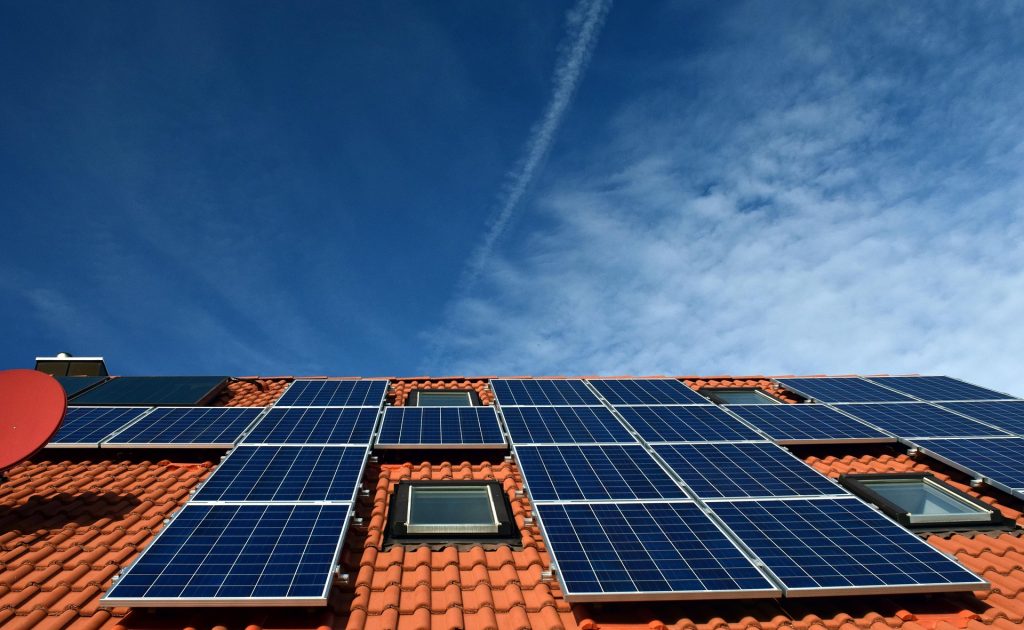
Ultraviolet light, heat, moisture, wind, and temperature swings can contribute to microcracks, corrosion, discoloration, delamination, seal deterioration, and electrical faults.
Incorrect clamping, stressed wiring, weak attachments, or persistent partial shade can accelerate wear. Bird nests may promote hot spots or cable damage, while hail, branches, lightning, flooding, and windborne debris can cause sudden failures. Good equipment and skilled installation reduce these preventable threats to Solar Panel Lifespan.
Does Climate Make Panels Wear Out Faster?
Repeated heating and cooling stresses module materials, while humidity and salt air challenge seals and metal parts. Hail, snow, ash, and strong winds add different pressures.
A 2024 U.S. fleet summary found median losses of about 0.88% yearly in hotter temperature zones and 0.48% in cooler ones. For a stronger Solar Panel Lifespan in demanding climates, prioritize suitable equipment, ventilation, installation, and warranty terms.
Panel Type, Build Quality, and Durability
Do not assume “monocrystalline” or “high efficiency” automatically means the longest Solar Panel Lifespan. Cell technology matters, but so do the glass, encapsulant, frame, backsheet, junction box, factory quality control, and installation.
Look for documented testing under standards such as IEC 61215, clear degradation terms, useful product coverage, and an established support process. IEC states that its qualification tests assess suitability for long-term outdoor operation but do not predict an exact service life. Certification is valuable evidence, not a lifetime guarantee.
Warranties: Product Coverage vs. Performance Promises
A product warranty generally covers defects in materials or workmanship. A performance warranty promises that output will stay above a stated percentage according to a degradation schedule.
Check the first-year allowance, annual decline, final output, labor and shipping coverage, exclusions, transfer rules, and claim process. Ask who provides service if the installer closes. Use warranties to compare how risk is shared; a long promise is less useful when labor is excluded or claims are difficult.
Installation Quality Matters More Than Most Buyers Expect
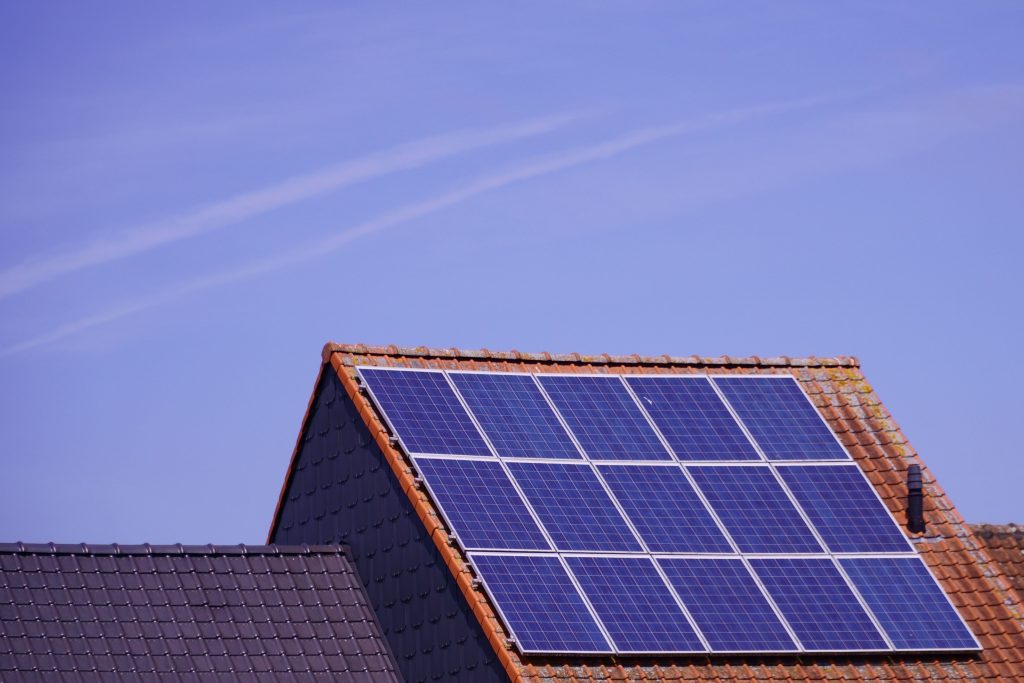
Even premium modules can underperform when mounted badly. Installers should follow approved clamp zones, roof-attachment requirements, grounding methods, cable rules, and ventilation clearances while accounting for drainage, shade growth, wind loads, and roof condition.
Before signing, ask who performs the work, what workmanship coverage applies, and how commissioning is documented. Coordinate roof and solar timelines to avoid an expensive removal and reinstallation later.
Maintenance Habits That Help Panels Last Longer
“Low maintenance” should not mean “never checked.” Review monitoring data monthly and inspect after major storms for cracked glass, loose parts, debris, nesting animals, new shade, or unexplained drops. These habits support Solar Panel Lifespan without turning maintenance into a weekly chore.
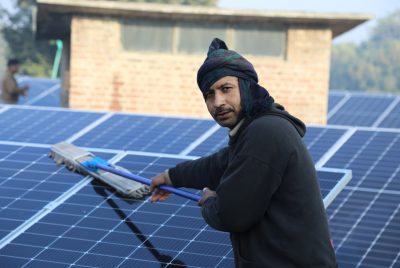
Clean only when buildup and manufacturer instructions justify it. Use gentle water, soft tools, and approved solutions; never walk on modules or use abrasive pads or pressure washers. For a practical routine, follow SolarFlez’s guide to cleaning solar panels safely and effectively before choosing tools or detergents.
Choose professional help when panels are steep, inaccessible, electrically damaged, or covered by service terms that restrict DIY work.
Signs an Aging Solar System Needs Attention
A slow decline is normal; a sudden drop deserves investigation. Warning signs include uneven production, repeated alerts, cracks, browning, delamination, corrosion, loose wiring, burned connectors, water intrusion, or ground faults.
Rule out shade, snow, dirt, outages, and monitoring errors, then call a qualified technician. Thermal imaging and electrical measurements can separate faults from normal aging and protect Solar Panel Lifespan. Never open live DC equipment without training.
When Should Panels Be Repaired, Repowered, or Replaced?
Repair is sensible when a technician finds a limited fault and the remaining system is healthy. Repowering means upgrading selected equipment or replacing older modules while retaining usable infrastructure.
Replacement becomes reasonable when damage is widespread, compatible modules are unavailable, output no longer meets demand, roof work requires removal, or repairs approach the value of a new system. Compare yield, warranty, roof life, recycling, and total cost. Solar Panel Lifespan should inform the decision, not dictate it.
Recommended Products That Support Solar Panel Lifespan
These products support different Solar Panel Lifespan needs. Follow manufacturer instructions; leave roof work and live electrical testing to trained professionals.
| Product | Best use | Main consideration |
| VEVOR Water Fed Pole Kit | Ground-reachable cleaning | Long poles can feel heavy |
| CLEANTITE Cleaner | Large or frequently cleaned arrays | Verify solution approval |
| ROTAK Critter Guard PRO | Bird and pest prevention | Sizing and fitting matter |
| FLIR TG165-X | Locating temperature anomalies | Images require interpretation |
| Klein Tools CL390 | Electrical troubleshooting | For qualified users |
VEVOR Water Fed Pole Kit, 30FT Solar Panel Cleaning Pole with Extendable Handle, 180° Rotatable Brush Head & 65.6FT Hose, Household & Outdoor Window Cleaner Tool for Caravan Solar Panel Deck
Best for: Ground-reachable panels that need extra reach
The aluminum pole extends to 30 feet with a rotating brush, hose, water jets, and soap dispenser. It suits panels that can be cleaned safely from the ground. The pole may feel awkward when fully extended and should never encourage unsafe positioning.
CLEANTITE Solar Panel Cleaner 1 Gallon (Makes 512 G) – Super Concentrated Cleaning Solution for Glass, Metal, Wood & Plastic – Remove Oil, Fingerprint & Water Spots – Multipurpose Solar Panel Cleaning
Best for: Large arrays or frequent maintenance schedules
This concentrated cleaner is diluted before use, suiting repeated cleaning or larger surfaces. It targets oily residue and water spots that plain rinsing may leave. Because panel makers differ on approved chemicals, confirm compatibility, dilution, rinsing, and warranty requirements before use.
ROTAK Critter Guard PRO – 4in x 100ft Solar Panel Bird Prevention Roll – Heavy Duty Galvanized Black PVC Coated ½ Inch Wire Roll Mesh
Best for: Homes with recurring bird or rodent nesting
This 4-inch-by-100-foot galvanized mesh has a black PVC coating and fits panel perimeters. It can block nesting access beneath suitable arrays. The gap must match its height, and incorrect fastening may affect frames, roofing, drainage, or warranty coverage, so professional fitting is sensible.
FLIR TG165-X Thermal Imaging Camera with Bullseye Laser, Spot IR, 80×60 IR, -25°C to 300°C, MSX, IP54
Best for: Technicians checking suspected hot spots
The TG165-X combines an 80-by-60 thermal sensor, MSX enhancement, bullseye laser, and IP54 enclosure. A trained user can locate unusual temperature patterns around modules and connectors. Resolution is modest beside advanced inspection cameras, and a warm image alone does not identify the cause.
Klein Tools CL390 AC/DC Digital Clamp Meter, Auto-Ranging, 400 Amp, NCVT Tester, Hi-Viz LCD Display, TRMS, Continuity Resistance, Temperature and More
Best for: Qualified electricians and experienced solar technicians
The CL390 measures AC/DC current, voltage, resistance, continuity, frequency, capacitance, and temperature, with true-RMS and non-contact voltage detection. It suits structured troubleshooting, not casual DIY work on live PV circuits. Solar DC can remain energized in daylight and requires training and protective procedures.
Research-Backed Solar Panel Lifespan Findings
The best evidence shows that panels usually age gradually, although results vary. The 2013 peer-reviewed degradation review found a 0.5% median annual rate across nearly 2,000 results. A 2016 compendium of photovoltaic degradation rates assembled more than 11,000 rates from almost 200 studies, revealing wide differences among technologies and field conditions.
The later U.S. PV Fleet analysis used 25,000 inverter data streams from almost 2,500 commercial and utility sites and reported a 0.75% median annual performance loss. Because this was not a controlled residential-panel experiment, homeowners should not treat that rate as a personal guarantee.
Compare documented degradation, climate suitability, installation quality, and monitoring—not one universal number.
Solar Panel Lifespan FAQs
Do solar panels stop functioning after 25 years?
Usually not. Twenty-five years commonly marks a warranty or planning milestone, not an automatic shutdown date. Many panels continue producing afterward at lower output. Their condition, degradation, repair history, roof plans, and your current electricity needs determine whether keeping or replacing them offers better value.
How much power will solar panels lose after 25 years?
There is no guaranteed figure. At a simple 0.5% decline from original output each year, a panel would retain about 87.5% after 25 years. At 0.75%, it would retain roughly 81.25%. Warranty schedules, early-life allowances, climate, equipment, and faults can change the result.
Can a solar panel’s lifespan be extended by routine cleaning?
Suitable cleaning can prevent persistent soiling from reducing output and may reveal damage, but it cannot reverse normal material aging. Clean only when needed and follow the manufacturer’s instructions. Harsh chemicals, abrasive tools, pressure washing, walking on panels, and unsafe roof access may cause more harm than the dirt.
What usually fails before the panels?
Inverters, optimizers, connectors, monitoring hardware, wiring, roof penetrations, or mounting parts may need attention before the modules. The sequence varies by design and environment. Records can reveal patterns. A system-level maintenance plan and warranty review therefore matter alongside the panel performance warranty.
Is it worth replacing panels that still work?
Sometimes. Replacement may make sense when an older array cannot meet demand, roof work already requires removal, widespread damage makes repair uneconomical, or higher-output modules would use limited roof space better. If production remains useful and the system is safe, keeping it can avoid unnecessary cost and waste.
Final Recommendation: Plan for Decades, Monitor the Details
A realistic Solar Panel Lifespan is usually 25 to 35 years, and many modules can keep producing beyond that range at reduced output. Choose panels by warranty clarity, tested durability, climate suitability, installer quality, and support—not efficiency alone. Then protect the system with monitoring, sensible cleaning, storm checks, and professional diagnostics when production changes unexpectedly.
For reachable arrays, the VEVOR Water Fed Pole Kit can support gentle ground-based cleaning. For recurring animal problems, the ROTAK Critter Guard PRO addresses a different source of debris and damage when correctly sized and fitted. Buy documented quality, keep installation records, watch actual production, and base replacement on condition and value rather than the calendar.