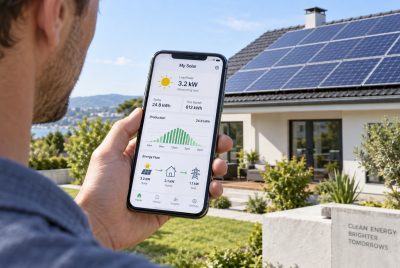
Passive Solar Design: How Solar Architecture Can Lower Your Energy Bills
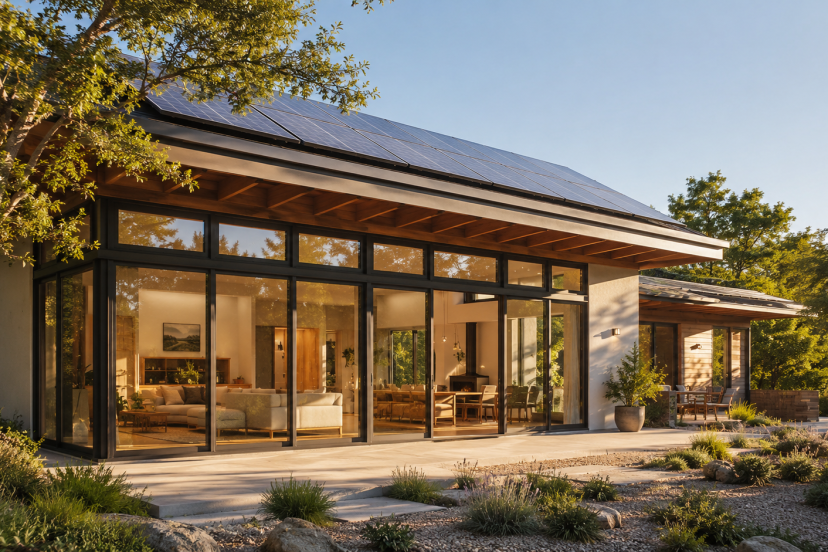
You know that slightly rude feeling when your energy bill shows up and acts like it owns the place? That is where Passive Solar Design becomes interesting. Instead of relying only on solar panels, batteries, or high-tech gadgets, passive solar thinking uses the shape, layout, windows, shade, insulation, and materials of your home to work with the sun.
Think of it like dressing your house for the weather. In winter, it wears a cozy sweater. In summer, it puts on sunglasses and finds shade. In this guide, you will learn how passive solar architecture works, why it can lower energy use, what mistakes to avoid, and which simple products can help make your home more comfortable.
What Is Passive Solar Design?
Passive Solar Design is a home design approach that uses sunlight, shade, airflow, insulation, windows, and heat-storing materials to naturally warm, cool, and brighten a home.
Unlike active solar systems, passive solar homes do not depend on pumps, fans, or electrical equipment to collect solar heat. The design itself does the heavy lifting. The U.S. Department of Energy explains that passive solar homes collect heat through windows and store it in materials such as concrete, brick, stone, and tile.
In simple terms, your home becomes part of the energy system.
Why Passive Solar Design Matters for Energy Bills
Heating, cooling, and lighting can take a big bite out of your monthly budget. Passive solar architecture helps reduce that load by using natural energy before your HVAC system has to step in.
That does not mean your house becomes magically free to run. Sadly, the utility company does not disappear into the mist. But a well-planned passive solar home can reduce how often you need artificial heating, cooling, and lighting.
The goal is comfort with less waste.
How Passive Solar Architecture Works
Passive solar design depends on a few key ideas working together.
Solar gain
Solar gain is the heat your home receives from sunlight. In cold months, this can be helpful. In hot months, too much solar gain can make your home feel like a parked car in July.
Thermal mass
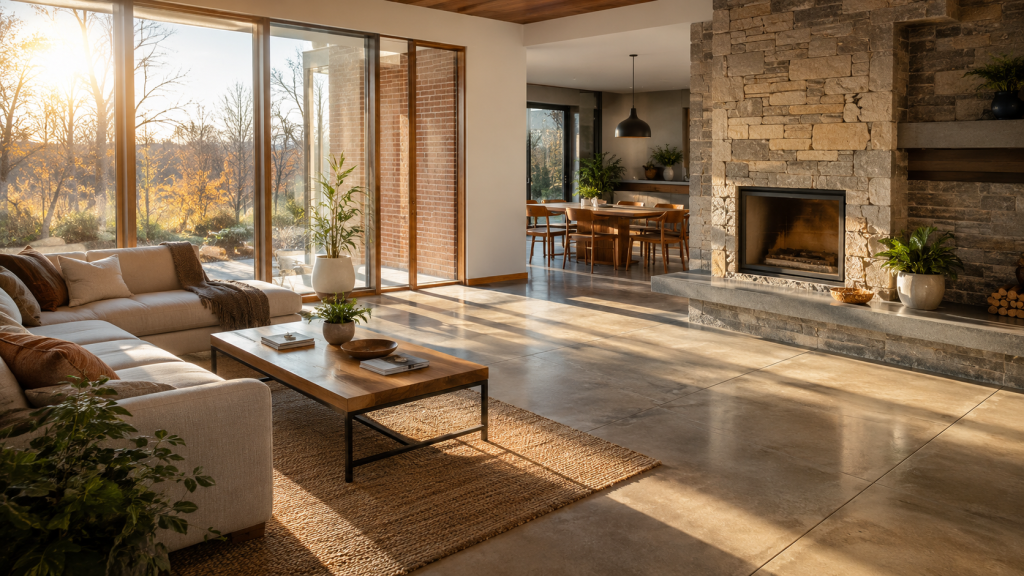
Thermal mass refers to materials that absorb heat during the day and release it later. Concrete, tile, brick, and stone are common examples. The DOE notes that thermal mass helps store solar heat in passive solar homes.
Shading and ventilation
Good passive solar design also blocks excess heat when needed. Overhangs, trees, exterior shades, and ventilation can prevent overheating.
The Five Core Elements of Passive Solar Design
The DOE’s consumer guide lists five key elements of passive solar design: aperture, absorber, thermal mass, distribution, and control.
Here is the friendly version.
Your windows let the sunlight in. Your floors or walls absorb that sunlight. Your thermal mass stores the heat. Your home layout helps move warmth through the space. Then shading, vents, curtains, or overhangs help control it.
It is basically teamwork, but for your house.
Start With Home Orientation
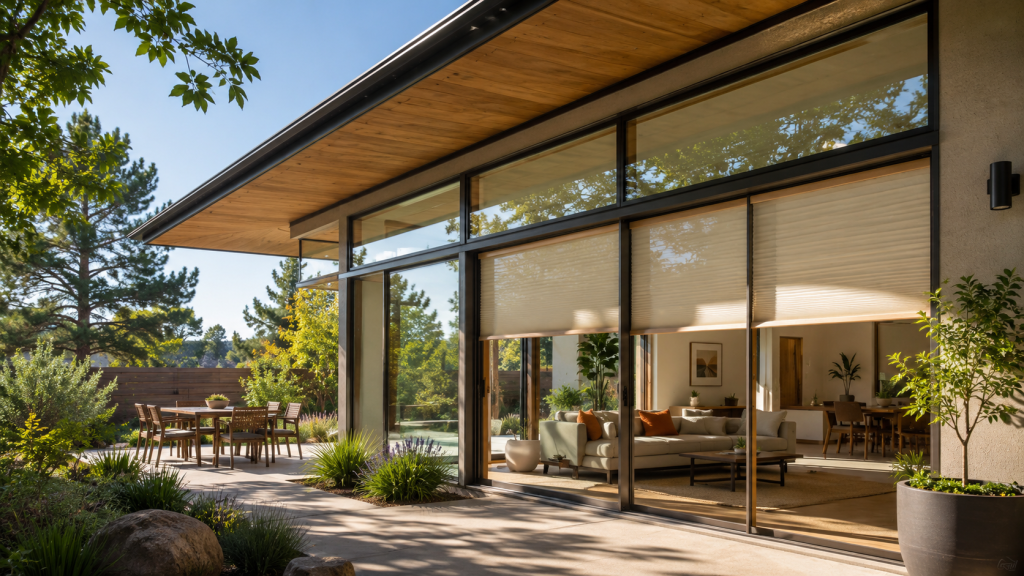
Orientation is one of the biggest passive solar design decisions. In the Northern Hemisphere, south-facing windows usually provide the most useful winter sunlight.
The DOE recommends that passive solar windows face within 30 degrees of true south and remain unshaded during winter from 9 a.m. to 3 p.m.
If you are building a new home, this is huge. If you already own a home, do not panic. You can still improve comfort with window treatments, insulation, shading, and airflow.
Use South-Facing Windows Wisely
Windows are wonderful. They give you daylight, views, and that little morning-sun moment that makes coffee taste better.
However, more glass is not always better.
Too much window area can cause glare, heat loss, or overheating. NREL passive solar design guidelines note that suntempered homes often increase south-facing glazing up to about 7% of total floor area without adding extra thermal mass. Direct gain passive solar designs may use more glazing, but they need enough thermal mass to balance the heat.
So yes, windows are important. But they need a plan.
Add Thermal Mass for Better Temperature Control
Thermal mass is like a savings account for heat. During the day, it stores warmth. Later, when the room cools, it slowly releases that warmth back into the space.
Good thermal mass options include:
- Concrete floors
- Tile floors
- Brick walls
- Stone surfaces
- Masonry fireplaces
- Water containers in some solar designs
If you have a sunny room with tile flooring, congratulations. Your home may already be doing a tiny passive solar dance.
Insulation Makes Passive Solar Design Work Better
Passive solar design without insulation is like pouring hot tea into a paper cup with holes in it. You might collect heat, but you will lose it fast.
Good insulation helps keep winter warmth inside and summer heat outside. Pay attention to:
- Attic insulation
- Wall insulation
- Window sealing
- Door drafts
- Crawl spaces
- Garage-adjacent walls
This is not the glamorous part of solar architecture, but it may be one of the most important.
Shading Prevents Summer Overheating
Passive solar design is not just about warmth. It is also about staying cool.
A home that collects winter sun should also block harsh summer sun. That balance matters, especially in warm climates.
Useful shading ideas include:
- Roof overhangs
- Pergolas
- Awnings
- Deciduous trees
- Exterior shutters
- Solar shades
- Window films
A good shade strategy is like a polite bouncer for sunlight. Helpful winter sun gets in. Brutal summer heat gets stopped at the door.
Natural Ventilation and Airflow Matter
Air movement can make a home feel cooler without immediately reaching for the air conditioner.
Cross-ventilation works when cooler air enters from one side of the home and warmer air exits from another. High windows, vents, ceiling fans, and shaded openings can all help.
Night ventilation can also help in some climates. The DOE notes that passive solar homes can use nighttime ventilation to support cooling-season comfort.
Of course, this depends on your local weather. If nighttime air is hot and humid, your house may politely decline the offer.
Passive Solar Design for Existing Homes
You do not need to build a brand-new custom solar home to benefit from passive solar ideas.
Try these upgrades:
- Add thermal curtains
- Seal drafty windows
- Use light-colored exterior shades in hot areas
- Add rugs strategically if floors lose too much heat
- Use window film to reduce heat gain
- Plant shade trees where appropriate
- Keep winter sun-facing windows clear during the day
- Close curtains at night to reduce heat loss
Small improvements can stack up. It is not always one grand renovation. Sometimes it is five smart changes quietly working together.
Passive Solar Design vs Solar Panels
Passive solar design and solar panels are not the same thing.
Passive solar design uses architecture to reduce energy demand. Solar panels generate electricity. One lowers the amount of energy your home needs. The other helps produce energy.
Honestly, they work beautifully together. A home that needs less energy may require a smaller solar panel system. That can save money upfront and improve long-term efficiency.
If you are also exploring solar for mobile living, off-grid travel, or camping setups, this guide to RV solar panels for flexible solar power is a helpful next read.
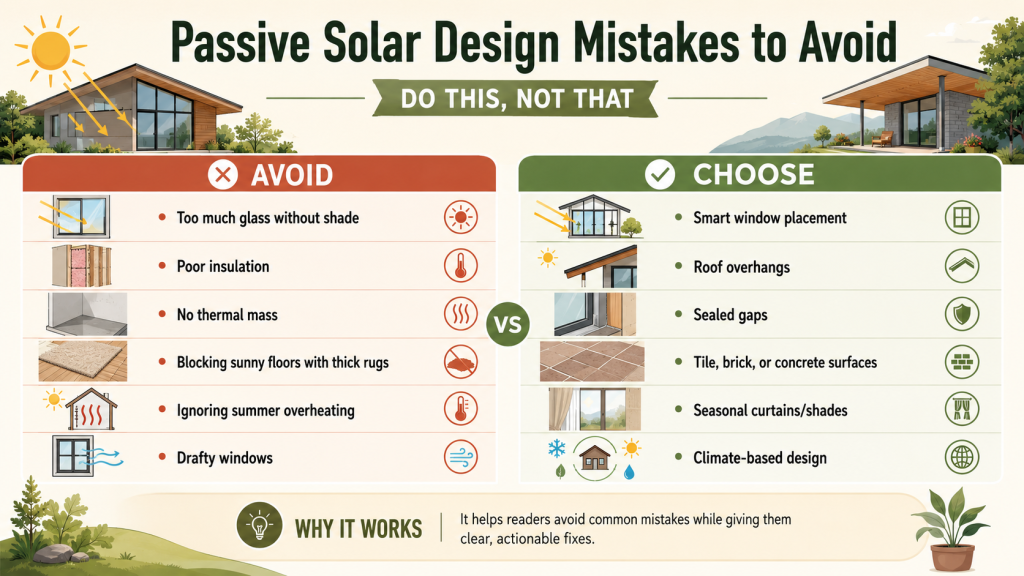
Common Passive Solar Design Mistakes
Passive solar sounds simple, but a few mistakes can cause problems.
Avoid these:
- Adding too many windows without enough thermal mass
- Forgetting summer shading
- Ignoring insulation
- Using dark flooring in very hot sunny rooms without control
- Blocking winter sun with permanent exterior structures
- Assuming every climate needs the same design
- Treating passive solar design as “just bigger windows”
Good design is not about grabbing as much sun as possible. It is about using the right amount at the right time.
Best Amazon Products for Passive Solar Design Support
These products do not replace architectural planning, but they can support a more energy-smart home.
1. Gila Heat Control Window Film
Short description:
Gila Heat Control Window Film is designed to reduce heat and glare through windows. Amazon’s Gila store notes that its heat-control films block heat, reflect UV rays, and reduce glare for better interior comfort.
Features:
- Helps reduce solar heat gain
- Can lower glare
- Useful for sunny windows
- Good for warm rooms
Use cases:
Best for homeowners with rooms that overheat from direct sunlight.
2. Amtrak Solar 12-Inch Solar Attic Fan with Thermostat
Short description:
This solar-powered attic fan helps ventilate hot attic spaces. Amazon listings describe Amtrak Solar attic fans as useful for attics, garages, RVs, barns, greenhouses, and moisture control.
Features:
- Solar-powered operation
- Thermostat option
- Helps remove hot attic air
- Useful for moisture control
Use cases:
Best for homes with hot attics that increase indoor cooling demand.
3. Amtrak Solar Thermostat – Automatic 12V Inline Temperature Controller
Short description:
This thermostat is designed to control compatible solar attic fans. Amazon describes it as a plug-and-play on/off switch for solar attic fans, roof vents, sheds, RVs, and greenhouse ventilation.
Features:
- Automatic temperature control
- Plug-and-play design
- Works with solar ventilation setups
- Helps avoid unnecessary fan use
Use cases:
Best for people adding solar ventilation and wanting automatic temperature response.
4. The Passive Solar House: The Complete Guide to Heating and Cooling Your Home
Short description:
This book focuses on passive solar heating and cooling strategies for energy-efficient homes. Amazon describes it as a comprehensive guide to building energy-efficient homes using passive solar design.
Features:
- Passive solar planning guidance
- Heating and cooling strategies
- Useful for homeowners and builders
- Good educational resource
Use cases:
Best for anyone planning a remodel, new build, or deeper passive solar learning.
5. The Passive Solar Energy Book by Edward Mazria
Short description:
This classic guide covers passive solar home, greenhouse, and building design. Amazon describes it as a complete guide to passive solar-energy systems and design patterns.
Features:
- Covers solar design concepts
- Includes design patterns
- Useful for homes and greenhouses
- Strong reference for serious learners
Use cases:
Best for DIY-minded readers, designers, and sustainability enthusiasts.
Research-Backed Insights on Passive Solar Design
What the Sun Teaches Your Walls About Comfort
The U.S. Department of Energy’s guide to sun-smart home design explains that passive solar homes use south-facing windows, thermal mass, shading, and ventilation to collect, store, and control heat naturally. It also notes that climate matters, so the best passive solar strategy depends on where you live.
The Blueprint Behind a Lower-Energy Home
The National Renewable Energy Laboratory’s passive solar design playbook gives practical guidance on window placement, thermal mass, insulation, and shading. One helpful takeaway is that more glass is not always better. South-facing windows need the right amount of thermal mass to prevent overheating and temperature swings.
Passive Solar Design for Different Climates
Your climate changes everything.
In cold climates, you may want more winter sun, stronger insulation, and well-placed thermal mass. In hot climates, shading, ventilation, reflective surfaces, and window control may matter more.
In mixed climates, balance is the name of the game. You want warmth in January without turning your living room into a toaster oven in July.
Ask yourself:
- Where does the sun hit my home hardest?
- Which rooms overheat?
- Which rooms feel cold?
- Where do I get the best daylight?
- Where do I lose the most comfort?
Your answers are the start of a smarter solar design plan.
Simple Passive Solar Tips You Can Try This Week
You do not need a hard hat and a dramatic renovation montage to begin.
Try these simple steps:
- Open south-facing curtains on sunny winter days
- Close curtains after sunset to keep warmth in
- Use thermal curtains on drafty windows
- Add weatherstripping around doors
- Keep summer sun out with shades or curtains
- Use fans to move air gently
- Place darker, heat-absorbing materials in sunny winter areas
- Avoid blocking useful winter sunlight with furniture
These are small moves, but they help you understand how your home responds to the sun.
Is Passive Solar Design Worth It?
Yes, especially if you are building, remodeling, or trying to reduce long-term energy costs.
Passive solar design can improve comfort, reduce energy waste, and make your home feel more connected to the natural rhythm of the day. It is not always flashy, but that is part of its charm.
It is the quiet kind of smart. The kind that does not beep, blink, or demand a software update.
FAQs About Passive Solar Design
What is Passive Solar Design in simple terms?
Passive Solar Design uses sunlight, shade, windows, insulation, airflow, and heat-storing materials to naturally warm, cool, and brighten your home. It reduces how much you rely on heating, cooling, and artificial lighting.
Can Passive Solar Design work in an existing home?
Yes. Existing homes can use passive solar ideas through better window coverings, insulation, draft sealing, shade control, ventilation, and smart use of sunlight. You may not change the home’s orientation, but you can still improve comfort.
Does Passive Solar Design replace solar panels?
No. Passive solar design reduces energy demand, while solar panels generate electricity. They work well together because a more efficient home may need a smaller solar power system.
What materials are best for thermal mass?
Concrete, brick, tile, stone, and masonry are common thermal mass materials. They absorb heat during sunny periods and slowly release it later, helping stabilize indoor temperature.
Is Passive Solar Design expensive?
It depends. If included during new construction, many passive solar choices can be low-cost design decisions. Existing-home upgrades can range from affordable curtains and window film to larger remodels involving windows, insulation, or layout changes.