Essential Solar Panel Tools Every Homeowner Should Own
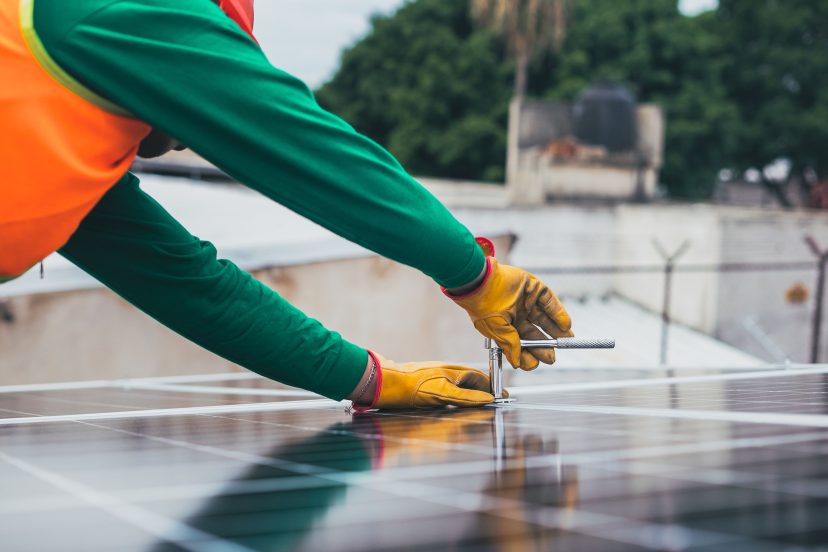
Owning a solar setup feels amazing—until you notice dust, bird droppings, loose wiring, or a weird dip in energy production and think, “Okay… now what?” That is where Solar Panel Tools become your quiet little superhero kit.
You do not need to become a full-time solar technician. But having the right cleaning, inspection, and basic testing tools can help you care for your system, catch small issues early, and feel less helpless when your solar app starts acting dramatic.
Why Solar Panel Tools Matter More Than You Think
Solar panels are built to sit outside for years, taking on heat, rain, wind, pollen, leaves, and the occasional bird with questionable timing. They are tough, yes—but not magic.
The right solar maintenance tools help you:
- Keep panels cleaner
- Monitor performance drops
- Inspect visible wear
- Handle small off-grid or RV solar tasks
- Know when to call a professional
Think of it like owning a car. You may not rebuild the engine, but you still keep a tire gauge, microfiber cloth, and basic emergency kit nearby.
The Core Solar Panel Tools Every Homeowner Should Know
A basic homeowner solar tool kit does not need to look like a contractor’s truck. Start simple.
Useful tools include:
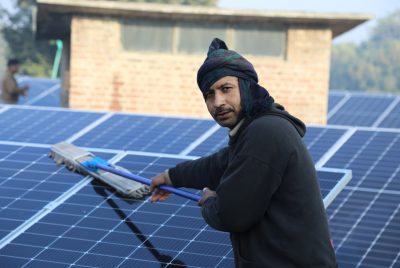
- Soft-bristle solar cleaning brush
- Telescoping pole
- Squeegee
- Microfiber cloths
- Garden hose or water-fed pole
- Solar panel tester
- Digital multimeter
- MC4 connector tool
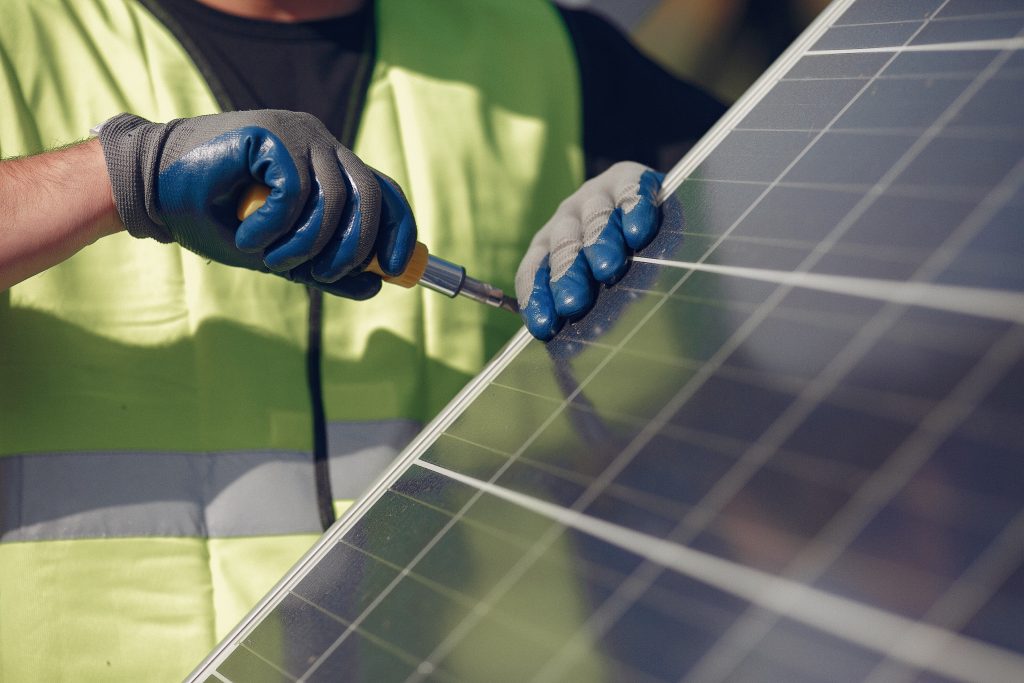
- Safety gloves
- Binoculars or inspection camera
For most homeowners, cleaning and visual inspection matter more than electrical work. If anything involves live wiring, roof danger, or inverter faults, that is your cue to bring in a licensed solar professional.
Safety First: Tools That Protect You Before You Touch Anything
Before we talk about shiny gadgets, let’s talk about not falling off a roof. Very unglamorous. Very important.
Your safety tools should include:
- Non-slip shoes
- Work gloves
- Safety glasses
- Stable ladder with a spotter
- Extension tools so you can work from the ground
- Lockout awareness if working near electrical equipment
Never walk on solar panels. Never clean panels during extreme heat. And please do not spray cold water on hot glass like you are shocking spaghetti in an ice bath. Sudden temperature changes can stress the panel surface.
Cleaning Tools That Help Panels Work Their Best
Dust and grime can block sunlight before it reaches the solar cells. NREL explains that dust, soot, and particulates can lower photovoltaic panel efficiency, and soiling losses may reach around 7% in parts of the United States and much higher in dusty regions globally.
For cleaning, use:
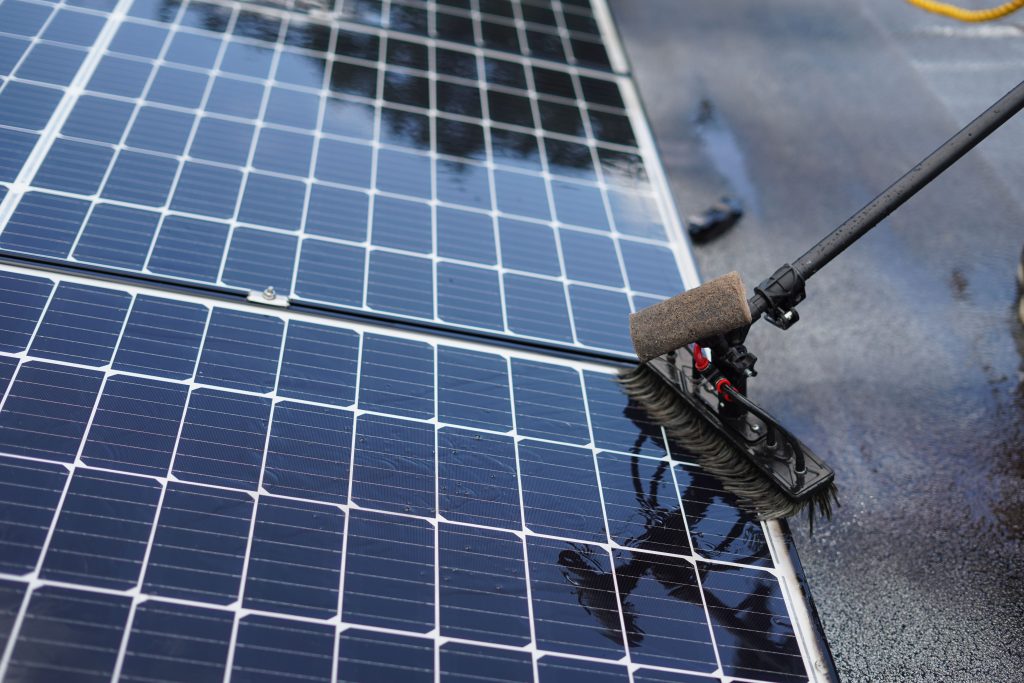
- Soft solar panel cleaning brush
- Deionized or clean water when possible
- Telescoping pole
- Squeegee attachment
- Microfiber cloth
- Mild, panel-safe soap only when needed
For a deeper step-by-step guide, see this helpful resource on how to clean solar panels safely and effectively.
Inspection Tools for Spotting Problems Early
A good inspection is like checking your plants before they wilt. You are looking for small clues before they become expensive problems.
Helpful solar inspection tools include:
- Binoculars for roof-mounted panels
- Flashlight for ground-mounted systems
- Phone camera with zoom
- Notebook or maintenance log
- Thermal camera, if you want to get fancy
Look for cracked glass, heavy dirt, nesting debris, loose mounting hardware, damaged conduit, chewed cables, and shading from new tree growth.
Electrical Testing Tools for Basic Solar Troubleshooting
This is where we add a bright yellow caution sign.
A solar multimeter or photovoltaic panel tester can help check voltage, current, and output. However, solar systems can produce dangerous DC voltage, even when the grid is off. So, use PV testing equipment only within your comfort level and product instructions.
Basic tools include:
- Solar panel tester
- Digital multimeter
- Clamp meter
- MC4 test leads
- Solar irradiance meter
If your readings seem strange, do not guess your way through it. Electricity rewards patience, not bravery.
Connector and Cable Tools for Small Solar Projects
If you work with portable panels, RV solar, shed systems, or small off-grid kits, you may eventually meet MC4 connectors. They are the little snap-together connectors used on many solar cables.
Useful connector tools include:
- MC4 connector wrench
- Solar crimping tool
- Wire stripper
- Cable cutter
- MC4 to banana plug test leads
- Heat-shrink tubing
For rooftop residential systems, leave wiring changes to certified installers. For small portable solar projects, these tools can make setup cleaner and safer.
Monitoring Tools That Turn Guesswork Into Clarity
Solar monitoring tools are underrated. They tell you whether your system is performing normally or quietly sulking in the background.
Use:
- Inverter monitoring app
- Smart energy monitor
- Solar charge controller display
- Battery monitor for off-grid setups
- Maintenance log
A simple monthly check can reveal patterns. Maybe output dropped because of pollen. Maybe a tree grew into the sun path. Maybe your app just needed a refresh. Solar systems have moods too.
Research-Backed Reasons to Keep the Right Tools Handy
Research supports the idea that cleaning and monitoring are not just “nice extras.”
NREL’s solar panel dust and soiling research explains that dust, soot, and particulates can reduce PV output, while cleaning also has a cost, so the smartest approach is targeted maintenance rather than random scrubbing.
A 2025 expert review on environmental factors affecting solar PV output found that high temperatures can reduce solar PV efficiency by about 0.4%–0.5% per degree Celsius, while dust can reduce output sharply in harsh climates.
In plain English: your panels live outdoors, so the environment matters. The right Solar Panel Tools help you respond thoughtfully instead of guessing.
5 Amazon Solar Panel Tools Worth Considering
1. 26ft Long Reach Solar Panel Cleaning Kit
This Amazon-listed kit includes an aluminum extendable water-fed pole, a wide brush, squeegee, and bendable dusting brush. It is useful for homeowners who want to clean panels, windows, RV roofs, or outdoor glass from a safer distance.
Features:
- 26-foot reach
- Water-fed pole
- Brush and squeegee combo
- Outdoor cleaning use
Best for: Homeowners who want a practical solar panel cleaning kit without climbing directly onto the roof.
2. BougeRV Solar Crimper Tool Kit
The BougeRV Solar Crimper Tool Kit is designed for solar connector assembly and includes a crimper, solar panel connectors, and connector spanners. Amazon’s listing notes its use for solar PV tool kits and connector crimping.
Features:
- Crimping molds
- Solar connector spanners
- Connector pairs
- Designed for 2.5/4/6 mm² cables
Best for: RV solar owners, DIY off-grid builders, and small solar project users.
3. ALLmeter Solar Panel Tester 2000W MPPT
This photovoltaic multimeter is made for solar panel testing and displays voltage, current, and power. The listing highlights plug-and-play MC4 connection and a sunlight-readable LCD.
Features:
- MPPT testing
- Large LCD screen
- Auto and manual modes
- MC4 cable compatibility
Best for: Users who want to check portable panels, small PV systems, or field performance.
4. BOCEUC MC4 Connector Tester, Solar MC4 to 4mm Banana Plug
This MC4 connector tester works with multimeters and solar panels. Amazon’s listing describes IP68 waterproof protection, 1500V/20A capacity, and compatibility with MC4 connectors and 4mm banana plugs.
Features:
- MC4 to banana plug connection
- Weatherproof housing
- High voltage rating
- Multimeter compatibility
Best for: DIY solar users who already own a multimeter and need safer PV test connections.
5. Fluke 393 FC Solar Clamp Meter
The Fluke 393 FC is a higher-end solar clamp meter listed for high-voltage solar and wind testing. Amazon’s Fluke store page describes it as CAT III 1500V rated and IP54-rated, with DC power measurements and a polarity indicator.
Features:
- CAT III 1500V rating
- Clamp meter design
- DC power measurements
- Professional-grade build
Best for: Advanced users, solar technicians, or homeowners who want pro-level PV testing equipment.
How to Build a Simple Homeowner Solar Tool Kit
Start with the tools you will actually use.
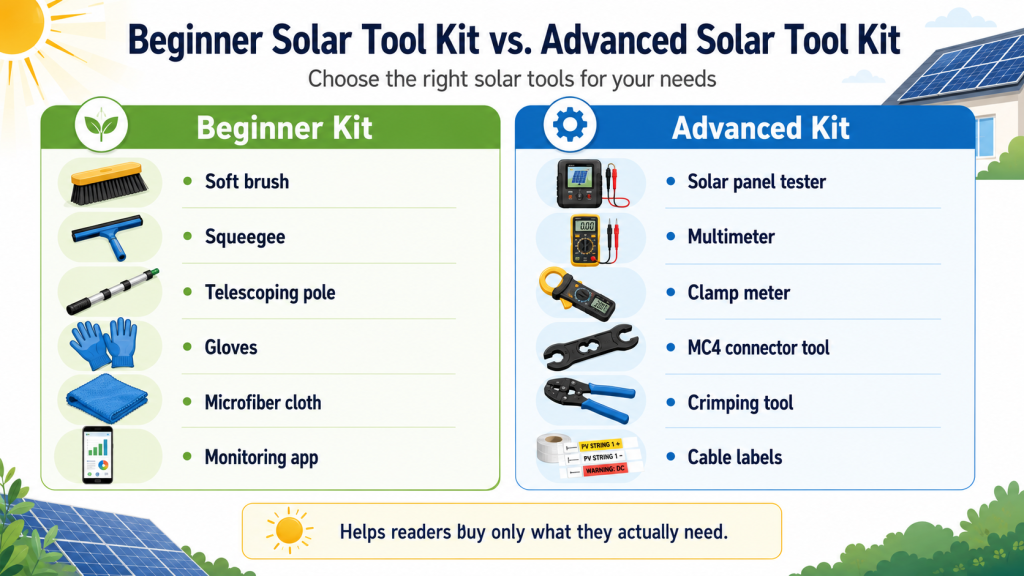
For most homes, begin with:
- Telescoping cleaning pole
- Soft brush
- Squeegee
- Microfiber towels
- Safety gloves
- Solar monitoring app
- Basic maintenance log
Then, if you have a portable, RV, or off-grid system, add:
- Solar multimeter
- MC4 connector tool
- Solar crimping tool
- Cable labels
- Spare fuses
The goal is not to own every tool. The goal is to own the right tools for your system.
When to DIY and When to Call a Solar Pro
DIY is fine for simple ground-level cleaning, visual checks, and monitoring. It is not fine for risky roof work or electrical troubleshooting you do not fully understand.
Call a professional if:
- Panels are high or hard to reach
- You see cracked glass
- Wiring looks damaged
- Your inverter shows repeated faults
- Output drops suddenly
- You smell burning or see melted components
A good rule: if the task requires opening electrical equipment, climbing dangerously, or pretending you are “pretty sure,” pause.
Common Mistakes to Avoid With Solar Panel Tools
A tool only helps if you use it correctly. Avoid these common mistakes:
- Using abrasive brushes
- Cleaning panels at midday heat
- Spraying high-pressure water
- Walking on panels
- Ignoring manufacturer instructions
- Testing live solar circuits without training
- Forgetting to track performance before and after cleaning
Also, do not assume rain fixes everything. NREL research found rainfall may not fully remove pollen from solar panels, especially after seasonal buildup.
FAQs About Solar Panel Tools
What Solar Panel Tools should every homeowner own?
Every homeowner should have a soft cleaning brush, telescoping pole, squeegee, microfiber cloths, gloves, monitoring app, and a simple maintenance log. If you own portable or off-grid panels, add a solar multimeter and MC4 connector tool.
Can I clean solar panels myself?
Yes, if the panels are safely reachable from the ground and your manufacturer allows DIY cleaning. Use soft tools, gentle water flow, and avoid harsh chemicals. For steep roofs or difficult access, hire a professional.
Do I need a solar panel tester?
You do not always need one for a standard grid-tied rooftop system. However, a photovoltaic panel tester is useful for RV solar, portable panels, off-grid systems, and troubleshooting basic output issues.
What is an MC4 connector tool used for?
An MC4 connector tool helps tighten, loosen, or disconnect MC4 solar cable connectors. It is especially useful for portable panels, RV systems, and small DIY solar projects.
How often should I inspect my solar panels?
Check your solar monitoring app monthly and visually inspect panels every few months. Inspect more often after storms, heavy pollen, wildfire ash, dust events, or sudden performance drops.
Final Thoughts: Build Confidence One Tool at a Time
Solar care does not have to feel intimidating. Start with simple Solar Panel Tools for cleaning, safety, and visual inspection. Then, only add testing or connector tools if your system actually needs them.
The real win is confidence. When you understand your panels, track their performance, and keep them clean, your solar investment feels less mysterious and more empowering.
So build your kit slowly. Learn one tool at a time. And let your solar setup do what it came to do—turn sunlight into savings, comfort, and a little more independence.