Solar Net Metering Explained for Homeowners
Installing rooftop solar is only half the story. The other half is what happens when your panels make more electricity than your home needs at that moment. Solar Net Metering can turn that excess production into bill credits, but the value of those credits depends on your utility, state rules, rate plan, and the timing of your energy use.
This guide explains how net metering works, how it differs from net billing, what to look for on your electric bill, and when a battery may improve the economics. You will also find practical monitoring tools, research-backed context, and questions to ask before signing a solar contract. The goal is to help you understand what your exported solar power is actually worth.
Affiliate disclosure: This article may contain affiliate links. If you purchase through one of them, the site may earn a commission at no extra cost to you.
What Is Solar Net Metering?
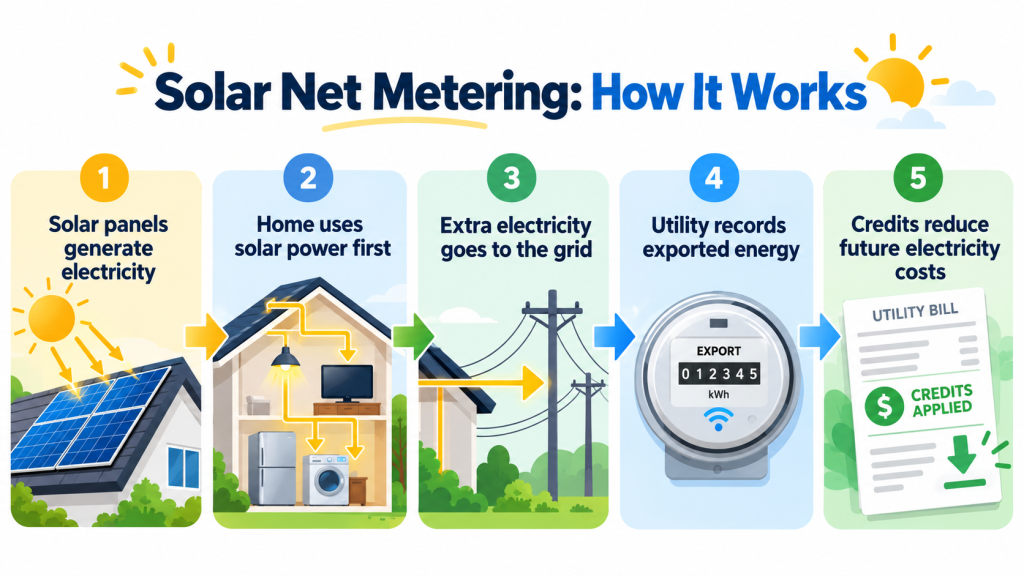
Solar Net Metering is a billing arrangement for grid-connected solar homes. When your system produces more electricity than your home is using, the extra power flows to the grid and earns a credit under your utility’s rules.
Traditional net energy metering usually lets exported kilowatt-hours offset electricity bought from the grid, often at or near the retail energy rate. However, the U.S. Department of Energy notes that eligibility, system-size limits, customer classes, and credit design vary by state and utility.
How Solar Net Metering Works Day to Day
Imagine a sunny afternoon when your panels produce 5 kW while your home uses 2 kW. About 3 kW is available for export. After sunset, solar production falls to zero and your home draws from the grid.
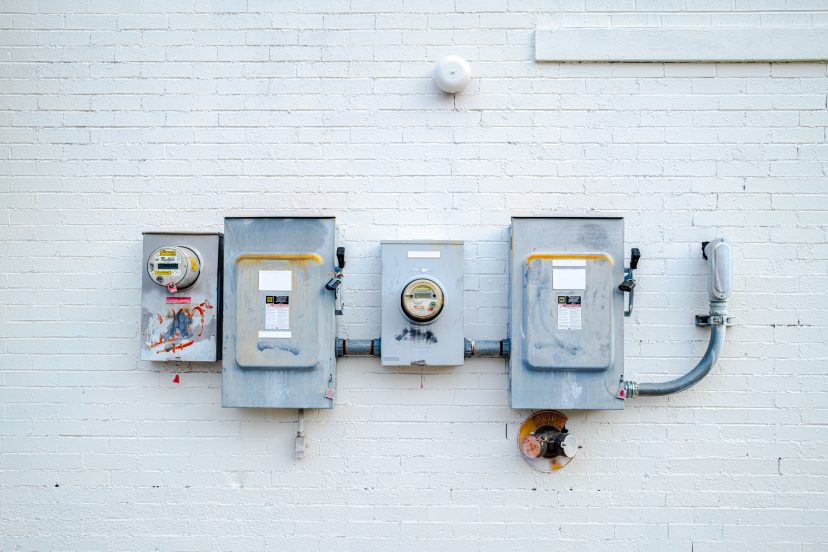
A bidirectional utility meter tracks electricity moving both ways.
Solar Net Metering helps bridge the mismatch between daytime production and evening demand; it does not physically store energy.
Net Metering vs. Net Billing vs. Buy-All/Sell-All
With traditional net energy metering, exported electricity generally offsets imported electricity on a net basis. With net billing, the electricity you draw from the grid and the power you send back are priced separately, and exported energy may be credited at a lower rate than the retail price. A buy-all/sell-all structure measures all solar production separately from household consumption.
The National Renewable Energy Laboratory separates distributed-generation compensation into metering, export-payment, and retail-rate components.
Ask for the actual import rate, export rate, rollover rules, and annual true-up policy.
How Credits Show Up on Your Electric Bill
Your bill may show imported kWh, exported kWh, net usage, a dollar credit, or a combination. Fixed customer charges, taxes, minimum bills, and other fees may still apply even when solar production is strong.
Credit rollover matters too. Some programs carry unused credits forward. Others settle excess generation annually, expire credits, or pay remaining balances at a different rate.
Before estimating savings, ask your utility for a sample bill or have the installer model your exact tariff.
Why Your Utility’s Rules Matter More Than the Label
The Database of State Incentives for Renewables & Efficiency maintains state-by-state net-metering policy resources, with its policy map updated in May 2026.
Check whether your home qualifies, what system size is eligible, how exports are valued, and what happens to unused credits. Also ask whether time-of-use pricing applies.
Under time-varying rates, a kilowatt-hour exported at noon may not equal the value of a kilowatt-hour imported during an expensive evening period.
How System Size Changes the Value of Net Metering
If your utility gives strong retail-value credits, sizing a system near annual consumption may make sense. If exports receive a much lower rate, oversizing can push more production into low-value exports.
Start with at least 12 months of electricity use. Then consider shading, roof orientation, seasonal output, future EV charging, heat pumps, and household changes.
A useful solar model should separate electricity used instantly, electricity exported, and electricity imported later.
When a Battery Makes More Sense
A battery can store midday solar for evening use instead of exporting it immediately. That can be attractive when export compensation is low, evening electricity is expensive, or backup power is important.
Storage adds cost, losses, operating limits, and battery wear, so model it against your actual rate plan.
If Solar Net Metering gives near-retail credit for exports, a battery may add less financial value. Under net billing, self-consuming stored solar can be more valuable because it replaces higher-priced grid purchases.
Recommended Tools for Solar Net Metering
These tools do not replace the utility meter, but they can clarify consumption and grid imports.
Emporia Vue 3 Home Energy Monitor – Smart Home Automation Module and Real Time Electricity Usage Monitor, Power Consumption Meter, Solar and Net Metering for UL Certified Safe Energy Monitoring
Best for: Detailed whole-home and solar tracking
This panel-based monitor measures whole-home electricity use and selected circuits, while the Emporia app shows solar output, grid consumption, and net-metering data. Because installation takes place inside the electrical panel, professional installation is the sensible choice for anyone not qualified to work there.
Emporia Vue Utility Connect: Zigbee HAN Smart Meter Energy Monitor
Best for: Compatible smart-meter households that want simple setup
This plug-in monitor reads data wirelessly from certain Zigbee-enabled utility smart meters, avoiding panel installation. It can show whole-home use and solar/net-metering flow. Compatibility is the key limitation: Emporia says it works only with participating utilities and supported AMI meters, so verify your utility before buying.
P3 P4400 Kill A Watt Electricity Usage Monitor
Best for: Budget appliance-by-appliance testing
The P4400 plugs between a standard 115-volt outlet and an appliance, then displays watts, kilowatt-hours, voltage, current, frequency, and power factor. It cannot measure whole-home exports, but it can reveal loads that increase grid imports. It is intended for compatible 115-volt plug-in appliances.
Kasa Smart Plug Mini with Energy Monitoring, KP115, Wi-Fi Outlet Works with Alexa, Google Home, Wi-Fi Simple Setup, No Hub Required, White
Best for: Tracking selected plug-in loads over time
The KP115 records real-time and historical energy use for a connected device and adds scheduling through its app. It shows how selected plug loads affect household consumption. It is not a net meter or professional measurement instrument; its value is monitoring and scheduling individual compatible loads.
Klein Tools CL390 AC/DC Digital Clamp Meter, Auto-Ranging, 400 Amp
Best for: Qualified DIYers and electrical professionals
The CL390 measures AC/DC current, AC/DC voltage, resistance, frequency, capacitance, temperature, and more, with a CAT III 600V safety rating documented by Klein Tools. It supports troubleshooting when used by someone trained in safe electrical measurement. It is not a continuous energy monitor.
| Product | Best for | Main strength | Main consideration |
| Emporia Vue 3 | Whole-home detail | Solar, net flow, and circuit visibility | Panel installation |
| Emporia Utility Connect | Easy whole-home monitoring | Reads supported smart meters | Limited utility compatibility |
| P3 P4400 Kill A Watt | Budget appliance checks | Direct kWh measurement | Plug-in loads only |
| Kasa KP115 | Ongoing plug-load tracking | Historical usage and schedules | Not a utility meter |
| Klein CL390 | Electrical troubleshooting | Broad AC/DC measurements | Requires electrical know-how |
Research-Backed Insights on Solar Net Metering
The U.S. Energy Information Administration reported 5,077,543 residential net-metered photovoltaic customers in 2024, up from 4,549,601 in 2023, in its 2025 Electric Power Annual.
A 2025 peer-reviewed study led by Eric O’Shaughnessy and researchers affiliated with the National Renewable Energy Laboratory estimated that potential rate impacts associated with rooftop solar were below 1% of typical customer bills in 37 of 44 states that had offered net metering at the end of 2023. The authors also noted that 12 states had replaced traditional net metering with alternative structures.
For homeowners, Solar Net Metering rules are financial inputs, not background details. Check DOE’s homeowner solar guidance, DSIRE’s current net-metering resources, and your utility’s active tariff before trusting a savings estimate.
How to Estimate Your Own Savings
Start with four numbers: annual solar production, household self-consumption, exported solar energy, and the value assigned to those exports.
Suppose your system produces 9,000 kWh per year and you directly use 5,000 kWh. The remaining 4,000 kWh is exported. If exports offset future retail-priced electricity, they can be highly valuable. If the export rate is much lower, self-consumption matters more.
Add fixed charges and time-of-use effects, then compare the result with the installer’s forecast.
Common Mistakes Homeowners Make
A common mistake is assuming every exported kilowatt-hour earns the full retail rate. Another is ignoring export compensation when sizing a system.
Homeowners also sometimes confuse a solar production app with the utility’s billing meter. Your inverter tracks generation, but the utility determines billable imports, exports, credits, and fees.
Standard grid-tied solar also does not automatically provide outage power; backup operation requires equipment specifically designed to supply the home when the grid is unavailable.
Questions to Ask Before Signing a Solar C
ontract
Ask the installer to identify the exact utility tariff used in the proposal, not simply say that “net metering is available.”
Then ask:
- What rate credits exported electricity?
- Do credits roll forward, expire, or receive an annual true-up?
- Which fixed charges cannot solar offset?
- Does the savings model assume future rate increases?
- How much production is expected to be self-consumed versus exported?
- What happens if the Solar Net Metering program changes before interconnection?
Get the answers in writing and compare proposals using the same tariff assumptions.
How to Monitor Import, Export, and Self-Consumption
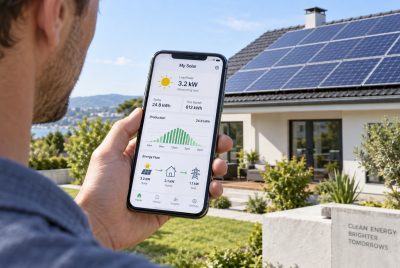
Once your system is operating, watch three trends: solar generation, household consumption, and grid exchange. Together they show whether you are using solar directly, exporting it, or buying electricity from the grid.
If your monitoring platform feels like a wall of arrows and graphs, this guide to how to read a solar monitoring dashboard explains production curves, consumption, imports, exports, and common warning signs.
Compare monitoring data with complete utility billing periods. Investigate large unexplained differences.
Solar Net Metering FAQs
Does Solar Net Metering eliminate my electric bill?
Usually not. Even a well-sized system may leave fixed customer charges, taxes, minimum bills, or electricity purchases that credits do not fully offset. Your result depends on production, consumption, export compensation, and tariff rules. Review a sample post-solar bill to see which charges remain.
Do I get paid cash for extra solar power?
Sometimes, but many programs provide bill credits rather than regular cash payments. Some utilities settle excess credits at an annual true-up, while others let credits roll forward or expire. Settlement rates may differ from retail rates, so check the tariff.
What happens to net-metering credits in winter?
In programs with monthly rollover, credits built during high-production months may offset later grid use. However, rules vary. Credits may carry forward, reset in a specified month, or be settled at another rate. The tariff should identify the true-up month and remaining-credit treatment.
Is a battery required for Solar Net Metering?
No. Net metering normally works with grid-connected solar without a battery. Battery storage can become more worthwhile when export compensation is limited, evening power costs more under time-of-use pricing, or having backup electricity is a priority. Compare battery cost with the value of shifting solar into later household use.
Can net-metering policies change after my solar system is installed?
Yes. Regulators and utilities can revise compensation structures, eligibility rules, fees, or successor tariffs. Existing customers sometimes receive grandfathered treatment, but that is not universal. Before installing, confirm current rules, announced changes, and which date determines tariff eligibility under that specific tariff in your service area.
Final Recommendation: Is Solar Net Metering Worth It?
Solar Net Metering can materially improve rooftop solar economics, but only when you understand the tariff behind the name. Focus on the export credit rate, rollover and true-up rules, fixed charges, time-of-use pricing, and how much solar you will consume directly.
For detailed household visibility, the Emporia Vue 3 is the most relevant monitoring option here. If your utility supports it and you prefer simpler installation, the Emporia Vue Utility Connect is worth considering.
Before signing a solar agreement, download your utility’s current tariff and compare it with the installer’s assumptions line by line. Size your system for your real electricity use and the actual value of exported energy.