Solar Panel Placement: Roof vs Ground Mount
Choosing where to install solar panels sounds simple until you study the site. The roof may preserve yard space, yet it could face the wrong direction, need repairs soon, or sit beneath afternoon shade. A ground array offers more freedom, but it needs open land, foundations, and an electrical route to the house. Good Solar Panel Placement balances sunlight, structure, access, appearance, local rules, and long-term maintenance—not merely the brightest patch at noon. This guide compares roof and ground mounting, explains the factors that affect production and cost, and recommends mounting products for small-system uses. By the end, you should know which option deserves a site assessment.
What Solar Panel Placement Really Changes
Solar Panel Placement affects shade, panel angle, wiring distance, repair access, storm exposure, and future expansion. It can also determine whether you keep a garden, preserve a roof warranty, or need extra trenching.
Neither mounting style wins automatically. A sunny, sound roof often uses space efficiently. However, an open yard may outperform it when the roof has awkward angles or shade. Start with the property’s constraints, then choose the structure.
When Roof-Mounted Panels Make the Most Sense
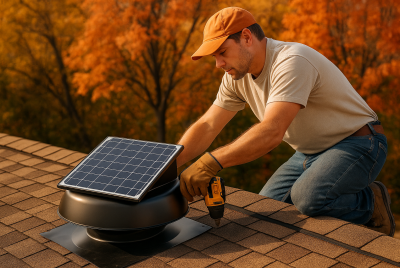
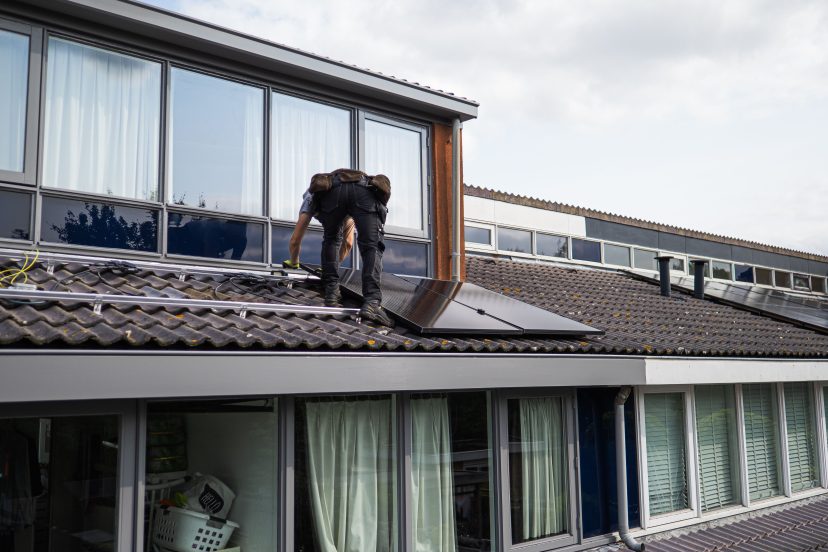
Roof mounting suits homes with limited land, useful sun exposure, and serviceable roofing. It preserves gardens, parking, and play areas while keeping equipment above foot traffic.
Still, the roof must support the array and local weather loads. Dormers, vents, chimneys, hips, and valleys can limit usable space or cast shadows. If reroofing is likely soon, complete it first to avoid removing and reinstalling the panels later.
When Ground-Mounted Panels Are the Better Fit
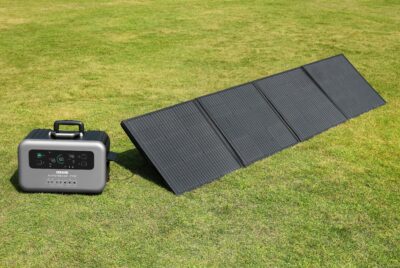
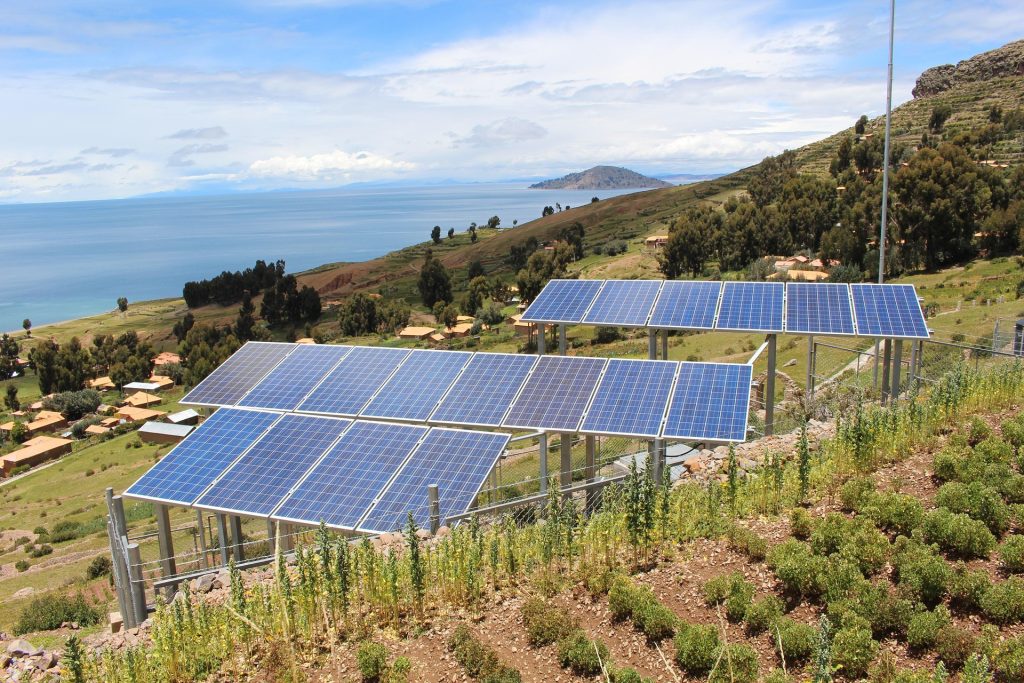
Ground Solar Panel Placement makes sense when the roof is shaded, small, complex, poorly oriented, or near replacement. Open land gives the designer more control over direction, tilt, row spacing, and service clearance. Expansion may also be easier.
That freedom requires site work. Foundations, trenching, drainage, vegetation control, or protective barriers can add cost. The array occupies usable land and faces mowers, animals, vehicles, or accidental contact, so treat it as a small construction project rather than rooftop solar placed lower.
Solar Panel Placement and Energy Production
Good Solar Panel Placement provides strong, unshaded light during the hours that matter for your energy goals. A roof’s pitch and direction limit adjustment, while a ground rack can often be aimed more deliberately. Even so, a perfectly south-facing array is not essential for every viable project.
Ask for a shade study and annual production estimate. A chimney, tree, pole, or nearby roof may cast seasonal shadows that a quick midday visit misses. Before fixing the layout, compare your site’s shade, roof pitch, and seasonal goals with SolarFlez’s guide to the best solar panel angle for maximum sunlight.
Installation Cost and Project Complexity
Roof systems use an existing structure, often avoiding concrete foundations and long trenches. Conversely, a steep, tall, fragile, or complicated roof may require extra labor, flashing, or structural work.
Ground mounts commonly add racking, foundations, trenching, and land preparation. A distant array may also need more conductor and voltage-drop planning. Request itemized proposals covering roofing, foundations, electrical routing, permits, drainage, interconnection, and site restoration. The cheapest rack does not always create the lowest completed-project cost.
Roof Condition, Land, and Space Requirements
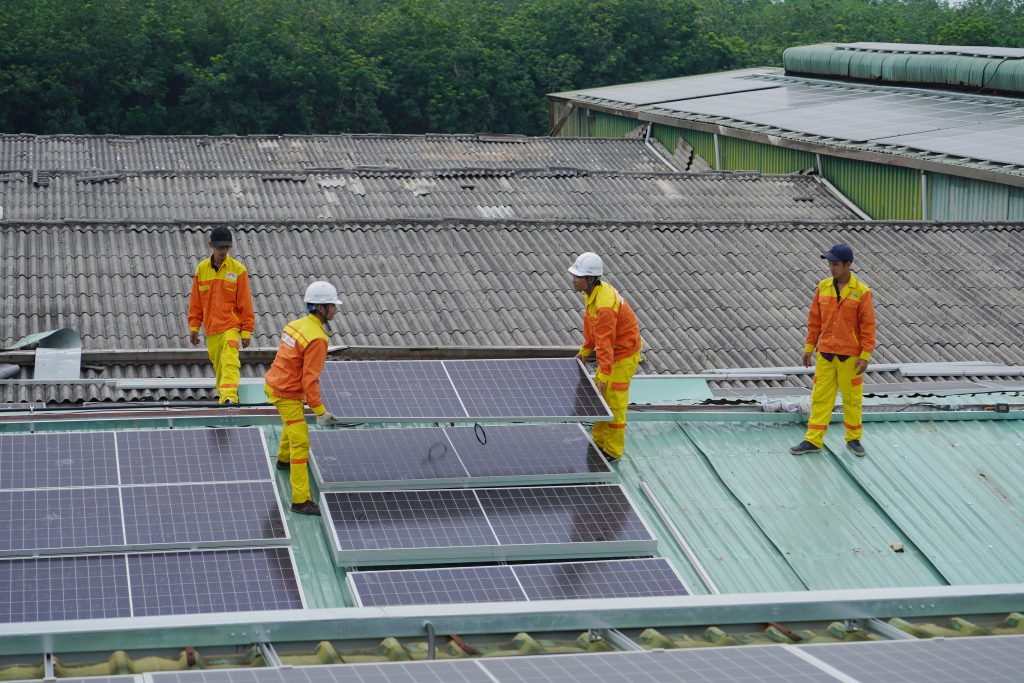
For rooftop Solar Panel Placement, assess roof age, covering condition, deck integrity, framing, attachments, and remaining service life. Shingles, tile, standing-seam metal, and low-slope membranes require different mounting strategies.
For a ground array, review slope, soil, drainage, buried utilities, setbacks, easements, septic areas, and construction access. Leave clearance for maintenance and vegetation. Also consider future plans: an extension, garage, driveway, pool, or growing tree could eventually compete with today’s best solar area.
Maintenance, Cleaning, and Repairs
Ground arrays generally provide easier access for inspections, vegetation control, snow removal, and occasional cleaning. Technicians can reach wiring and hardware without climbing, which may simplify routine service.
Roof arrays preserve land and avoid many ground-level impacts, but maintenance may require fall protection and specialist access. Keep safe roof pathways and avoid layouts that trap leaves in unreachable spaces. With either system, never trade electrical safety for convenience; qualified technicians should handle damaged conductors, connectors, and structural hardware.
Weather, Drainage, and Physical Protection
Local wind, rain, snow, hail, corrosion, frost, and flood conditions should shape Solar Panel Placement. Roof attachments need correct flashing and structural load paths. Ground racks need foundations suited to the soil, plus drainage that limits erosion and standing water.
Tilt involves trade-offs. Steeper panels can shed snow, but they may receive greater wind loads. Ground systems may also need setbacks or barriers where vehicles, livestock, children, or lawn equipment could reach them. Site-specific design matters more than a universal rack or angle.
Permits, Insurance, and Neighborhood Rules
Check zoning, building and electrical permits, utility interconnection, fire access, setbacks, and homeowners’ association rules before selecting a layout. Ground arrays may face height, screening, or accessory-structure restrictions that differ from rooftop requirements.
Ask your insurer how each option affects property coverage, liability, replacement value, and storm claims. Rules vary by location and policy, so another homeowner’s experience may not apply. Your proposal should clearly identify who prepares drawings, submits applications, arranges inspections, and completes utility paperwork.
Recommended Products for Solar Panel Placement
These products cover fixed, adjustable, pole, ground, and composition-shingle applications. They are components for specific use cases—not substitutes for structural design, code review, grounding, weatherproofing, or professional installation where required.
| Product | Format | Best fit | Check first |
| Renogy Z Brackets | Fixed | One small panel | Roof substrate |
| ECO-WORTHY 45-Inch Brackets | Tilting | Small flat-surface array | Panel width |
| Newpowa Double-Arm Mount | Pole or wall | One compact panel | Dimensions |
| ECO-WORTHY Ground Mount | Ground rack | Cabin or backyard | Foundations |
| VEVOR 2-Set Brackets | Ground rack | Four to eight panels | Site loads |
| IronRidge FlashFoot2 | Roof attachment | Shingle-roof racking | Rail compatibility |
Renogy Solar Panel Mounting Z Brackets
Best for: Budget-friendly single-panel shed or RV projects
This four-bracket aluminum set mounts one framed panel on small off-grid structures or mobile applications. Its compact design suits projects where a rail system would be excessive. However, it does not replace roof-substrate checks, waterproofing, structural load review, or a residential attachment method approved for the building and local code.
ECO-WORTHY 45-Inch Adjustable Solar Panel Mounting Brackets
Best for: Owners who want adjustable tilt on a small array
Foldable tilt legs support a compatible panel or small pair on an RV, roof, boat, or flat surface. The adjustable format can help with seasonal positioning and service access. Measure first: module width, frame holes, wind exposure, and mounting-surface strength determine whether this bracket fits the project.
Newpowa Universal Double-Arm Solar Panel Pole/Wall Mount
Best for: Compact pole, wall, or fence installations
This double-arm bracket supports one compatible panel and adjusts from 0 to 90 degrees on a pole, wall, fence, or flat surface. It works where a roof is unsuitable and a full ground rack would consume too much space. Its one-panel capacity and 30.31-inch width limit require careful compatibility checks.
ECO-WORTHY Adjustable Multi-Piece Solar Ground Mount
Best for: Expandable cabin or backyard arrays
This galvanized-steel rack supports several common small-array combinations and allows angle adjustment. It offers cabin owners and off-grid users more layout freedom than a fixed roof kit. Nevertheless, the rack does not determine foundation depth, soil suitability, wind loading, drainage, row clearance, or permits; those decisions remain site-specific.
VEVOR 2-Set Adjustable Solar Panel Ground Mounting Brackets
Best for: Larger DIY ground-mounted arrays
The two-set carbon-steel system accommodates four to eight compatible panels and adjusts from 30 to 60 degrees. It suits open-space projects needing more capacity than a single-panel bracket. Confirm every module dimension, anchoring method, bracing requirement, corrosion exposure, clearance, and local structural load before installation.
IronRidge FlashFoot2 FF2-01-M1
Best for: Professional composition-shingle roof racking
FlashFoot2 combines an 8-by-12-inch flashing, lag attachment, and cap made to connect with compatible IronRidge XR rails. Its integrated water-seal design addresses a major concern on composition-shingle roofs. It remains one component, not a complete system, so spacing, rail choice, loads, and installation must follow project documentation.
Research-Backed Guidance for Solar Panel Placement
The U.S. Department of Energy’s 2026 installation and commissioning guidance says south-facing arrays tilted 15 to 40 degrees generally deliver the best production in the continental United States, although weather risks may justify another angle. Model the property rather than rejecting an imperfect roof.
The DOE homeowner guidance advises considering roof age, shape, slope, and tree cover. For ground mounts, DOE highlights soil, foundations, topography, stormwater, erosion, and vegetation. Its PV design guidance also calls for durable structures that resist weather and corrosion.
NREL’s 2018 SAM Photovoltaic Model Technical Reference treats tilt and azimuth as defining orientation inputs. Together, these sources support site modeling and structural review; they do not establish one universal winner.
A Practical Roof-vs-Ground Decision Checklist
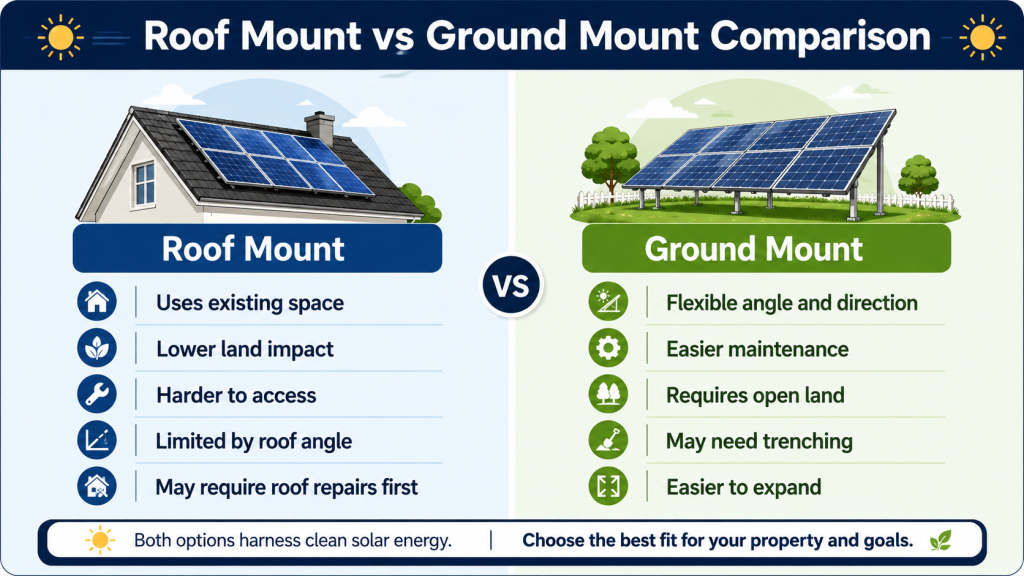
Choose roof mounting when the roof is sound, sunny, accessible, and unlikely to need replacement soon—especially when yard space is scarce. Choose ground mounting when open land provides less shade, better orientation, easier service, or expansion room.
Compare annual production, complete installed cost, warranties, maintenance access, land use, and future plans. Ask bidders to model the same system capacity and equipment where practical. Otherwise, different panel counts or assumptions can make one Solar Panel Placement option appear better for reasons unrelated to the mount.
Common Placement Mistakes to Avoid
Do not choose by appearance alone. A discreet roof array that loses substantial sunlight, or a well-oriented ground rack that blocks future land use, can disappoint for years. Likewise, one shade observation cannot replace annual modeling.
Other mistakes include overlooking roof replacement, trench length, drainage, soil, setbacks, service access, and module dimensions. Most importantly, avoid treating racking as universal hardware. Attachments, fasteners, spacing, grounding, and corrosion protection must suit the modules, structure, climate, and code.
Solar Panel Placement FAQs
Is a ground-mounted array more efficient than a roof array?
Not automatically. A ground mount may allow better tilt, direction, airflow, and shade avoidance. However, an unshaded, well-oriented roof can perform effectively without using land. Compare annual-energy estimates based on the same panels, inverter assumptions, weather data, and system capacity.
How far can ground-mounted panels be from the house?
No universal distance works for every project. Longer runs can add trenching, conduit, conductor, labor, and voltage-drop considerations. Local rules govern burial and routing. Let the designer balance solar access with an electrically and financially sensible route to the service equipment.
Should I replace my roof before installing solar panels?
Consider replacement first when the roof is leaking, damaged, near the end of its service life, or unable to support the array without repairs. Removing and reinstalling panels later adds work. Ask a roofer and solar professional to coordinate their assessments.
Can I install a ground mount on a sloped or wet yard?
Possibly, but slope, drainage, erosion, soil strength, frost depth, flood exposure, and equipment access affect the foundation and layout. Wet or steep sites may need engineered solutions and stormwater controls. Do not assume standard posts or shallow footings suit the property.
Which Solar Panel Placement is easier to maintain?
Ground mounting usually offers easier inspection, vegetation control, and cleaning access. Roof mounting preserves land and avoids many impacts, but service may require fall protection. Solar Panel Placement depends on climate, roof height, soiling, landscaping, mobility needs, and safe technician access.
Final Recommendation: Roof or Ground Mount for Solar Panel Placement?
Choose a roof mount when the roof is healthy, sunny, large enough, and unlikely to need replacement soon. Choose a ground mount when open land offers meaningfully better orientation, less shade, easier service, or expansion space—and the budget covers foundations, trenching, and site work. Small projects may suit Renogy Z Brackets or the Newpowa mount, while larger ground arrays may use ECO-WORTHY or VEVOR hardware after proper design review. Ultimately, the best Solar Panel Placement combines a strong production estimate, sound structural plan, manageable lifetime cost, and minimal conflict with how you use the property. Have both layouts modeled before making the final decision.