What Are The Major Types Of Renewable Energy
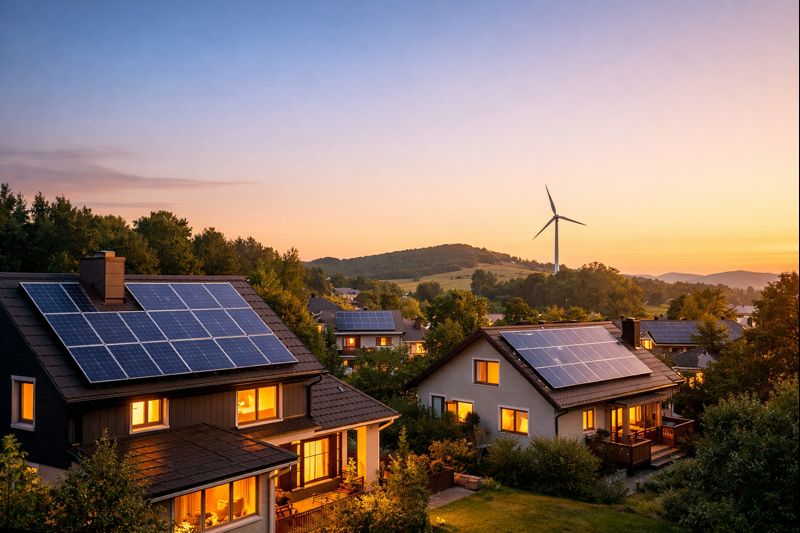
Most of us just want our lights to turn on, our coffee to brew, and our phone to charge… without feeling guilty about what that power is doing to the planet.
That’s where renewable energy comes in.
In this guide, you’ll learn the major types of renewable energy, how they work in real life, what the research says, and what you can do—whether you rent a small apartment or own a house with a big sunny roof.
You’ll also see a few helpful tools and gadgets (Amazon affiliate-style) that make clean energy feel less abstract and more “oh, I can start here.”
Why Renewable Energy Matters For You
You already feel the impact of our energy choices:
- Rising electricity bills
- Heatwaves and strange weather
- Smoggy days where the air feels heavy
Renewable energy—often called clean energy—is about powering your life with sources that don’t run out and don’t constantly pump pollution into the air.
What Counts As Renewable Energy?
“Renewable energy” is any energy source that:
- Replenishes naturally on a human timescale, and
- Doesn’t rely on burning fossil fuels like coal, oil, or gas.
The big six are:
- Solar energy – from sunlight
- Wind energy – from moving air
- Hydropower – from flowing water
- Biomass energy – from organic material like crop waste or wood
- Geothermal energy – from Earth’s internal heat
- Marine energy – from tides and waves (still emerging)
Solar Energy: Power From Sunlight
If renewable energy had a celebrity, it would be solar power.
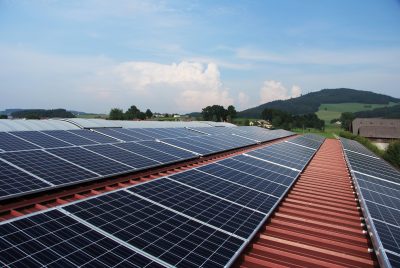
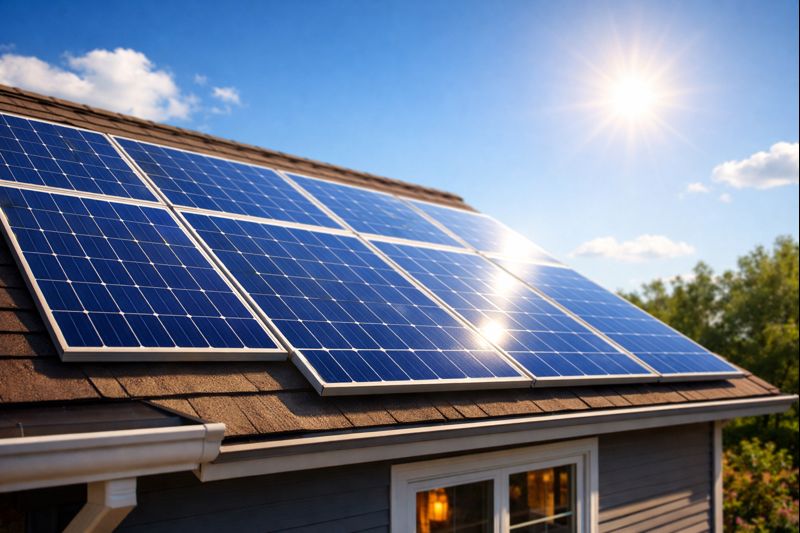
Solar panels contain materials that release electrons when sunlight hits them. Those electrons create an electric current, and an inverter turns that into usable electricity for your home or the grid. No fuel. Little noise. Just sunlight.
You see solar on rooftop systems, solar farms, and small panels on things like garden lights, cameras, phone chargers, and camping gear.
If you’re curious about a DIY-friendly setup, you can use a home solar installation kit guide to understand components, sizing, and installation, like this practical home solar installation kit resource.
Turning the Wind into Clean Power
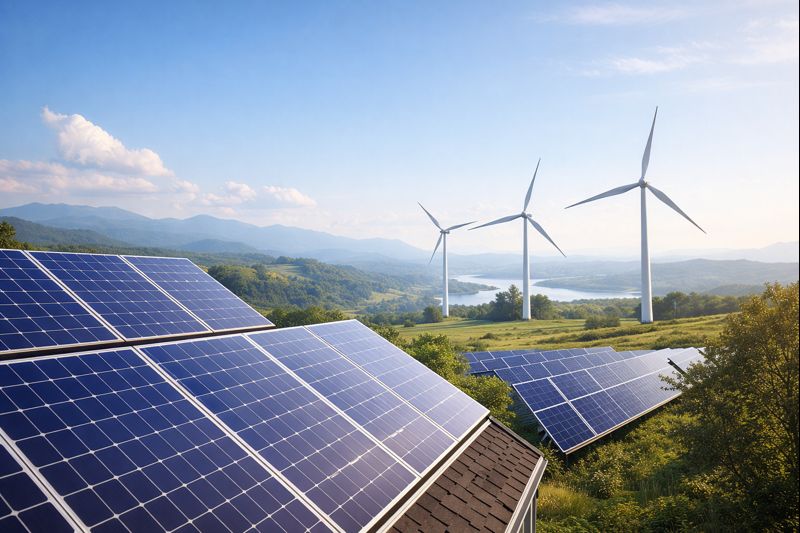
Wind power works by using turbines to absorb the motion of the wind and turning that movement into electrical energy.
It works especially well in open plains, coastal areas, and offshore. Wind scales from small property-sized turbines to huge farms that power entire regions, and it pairs nicely with solar—windy nights can complement sunny days.
Research in the United States found that wind and solar together delivered major climate and health benefits between 2019 and 2022, preventing an estimated 1,200–1,600 premature deaths in 2022 alone by cutting air pollution.
Hydropower: Energy From Flowing Water
Hydropower is one of the oldest and most established renewables.
Water stored behind a dam (or flowing naturally in a river) moves through turbines, generating electricity.
- Pros: Reliable, can provide steady “baseload” power and quick backup.
- Cons: Large dams can disrupt river ecosystems and nearby communities.
You probably won’t install hydropower at home, but it’s a huge part of the global clean energy mix.
Biomass Energy: Using Organic Materials Wisely
Biomass energy uses organic materials—crop residues, wood pellets, food and agricultural waste—to make heat, electricity, or biogas.
When biomass uses genuine waste and is managed carefully, it can reduce open burning and methane emissions. When forests are cleared just for fuel, it stops being sustainable fast. Biomass can help, but only with strict safeguards.
Geothermal Energy: Heat From Within The Earth
If you’ve ever soaked in a hot spring, you’ve met geothermal energy in its wild form.
Geothermal systems tap into Earth’s internal heat:
- Large geothermal plants use steam from deep underground to drive turbines.
- Geothermal heat pumps for homes use the steady ground temperature to heat and cool buildings efficiently.
It’s incredibly reliable and runs 24/7, but big plants only make sense in regions with the right underground conditions.
Ocean & Tidal Energy: Emerging Blue Power
The ocean never stops moving, which is why engineers are so interested in tidal and wave energy.
- Tidal energy harnesses predictable rising and falling tides.
- Wave energy captures motion at the surface.
These technologies are still early compared to solar and wind but could become important for coastal regions over time.
How Renewable Energy Supports Climate And Health
Burning fossil fuels releases:
- Carbon dioxide (CO₂) – drives climate change
- Nitrogen oxides and sulfur dioxide – contribute to smog and acid rain
- Fine particles (PM2.5) – lodge deep in your lungs and bloodstream
Renewable energy avoids most of those emissions. That means cooler long-term temperatures, clearer skies, and fewer pollution-related heart and lung problems. The research section below dives into what scientists have found in more detail.
Everyday Ways To Use Renewable Energy
You don’t have to start with a full solar roof.
Level 1: Zero-Install Choices
- Pick a green electricity plan if your utility offers one.
- Swap to LED bulbs and efficient appliances.
- Use smart plugs and power strips to cut “vampire” energy use.
Level 2: Small-Scale Clean Power
- Portable solar chargers for phones and power banks
- Solar garden or pathway lights
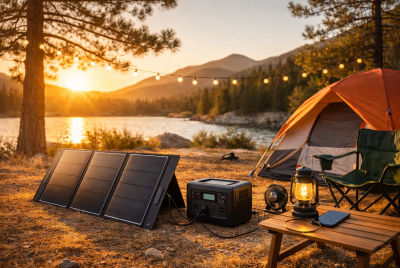
- A compact portable power station that can be topped up with solar
Level 3: Bigger Home Moves
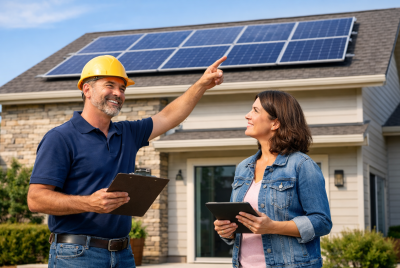
- Rooftop solar, sometimes paired with a battery
- A home solar installation kit for an RV, cabin, or backup system, planned with a clear solar kit guide like the one linked above
Start where your budget and living situation allow.
Practical Renewable Energy Gadgets
Here are five well-reviewed products that bring renewable energy and smarter energy use into daily life.
1. ECO-WORTHY 10000W Complete Off-Grid Solar Panel Kit for Home
The ECO-WORTHY 10000W Complete Off-Grid Solar Panel Kit for Home is a big, all-in-one system for homes that want serious backup or off-grid power.
It bundles around 10 kW of solar panels, lithium battery storage, and split-phase 120/240V components—best for remote homes or properties with unreliable grids.
2. Renogy 200 Watts 12 Volts Monocrystalline RV Solar Panel Kit
The Renogy 200 Watts 12 Volts Monocrystalline RV Solar Panel Kit is a popular starter kit for RVs, boats, tiny houses, and small off-grid projects.
You get two 100W panels, a charge controller, mounts, and cabling—enough to keep basic lights, fans, and devices running.
3. Jackery Portable Power Station Explorer 300
The Jackery Portable Power Station Explorer 300 is a compact power station that works with wall charging or compatible solar panels.
With about 293Wh capacity plus AC and USB ports, it’s ideal for camping, road trips, and backup power for phones, laptops, and small electronics.
4. Anker 535 Portable Power Station (512Wh Solar Generator)
The Anker 535 Portable Power Station, 512Wh Solar Generator uses long-life LiFePO₄ batteries and offers several AC and USB outputs.
It delivers around 512Wh capacity and 500W output—great for regular portable use or quiet home backup when paired with a solar panel.
5. Emporia Vue 3 Home Energy Monitor
The Emporia Vue 3 Home Energy Monitor doesn’t generate energy, but it helps you use less, which might be the cheapest “renewable” you’ll ever buy.
Installed in your electrical panel, it tracks real-time energy use (including solar/net metering) and helps you find “energy hogs” so you can cut waste with data, not guesses.
Research-Backed Benefits of Renewable Energy
A study highlighted by the U.S. Department of Energy, based on work by researchers at Lawrence Berkeley National Laboratory and published in Cell Reports Sustainability, looked at wind and solar in the U.S. from 2019–2022. It found that these sources delivered around $249 billion in combined climate and air-quality benefits, and in 2022 alone helped avoid an estimated 1,200–1,600 premature deaths by reducing pollutants like sulfur dioxide and nitrogen oxides. You can read more in the summary of the air quality and environmental benefits of recent wind and solar deployment.
The Union of Concerned Scientists carried out a separate modeling study exploring what happens if the U.S. power sector shifts heavily to renewables by 2050. They found that reductions in nitrogen oxides, sulfur dioxide, and particulate matter could translate into $400–$800 million per year in public health benefits and tens of thousands of avoided deaths in 2050. Their overview of the benefits of renewable energy use boils it down simply: cleaner electricity means cleaner air, fewer illnesses, and lower health costs over time.
Together, these studies show that renewable energy isn’t just an environmental upgrade—it’s a long-term health investment for entire communities.
Renewable Energy Myths (and the Truth Behind Them)
- “Renewable energy is too expensive.”
Solar and wind power have become much cheaper over time. In many regions, they’re now cheaper than building new coal or gas plants once you factor in fuel and pollution. - “We’d need perfect weather for this to work.”
No single source does everything. A mix of solar, wind, hydro, geothermal, storage, and smart grids can provide reliable power even when the sun isn’t shining or the wind is calm. - “My choices don’t matter.”
Your choices may not fix the entire grid, but they lower your own emissions and bills and send clear signals about what people want, which shapes future investment.
FAQs About Renewable Energy
How is renewable energy different from fossil fuels?
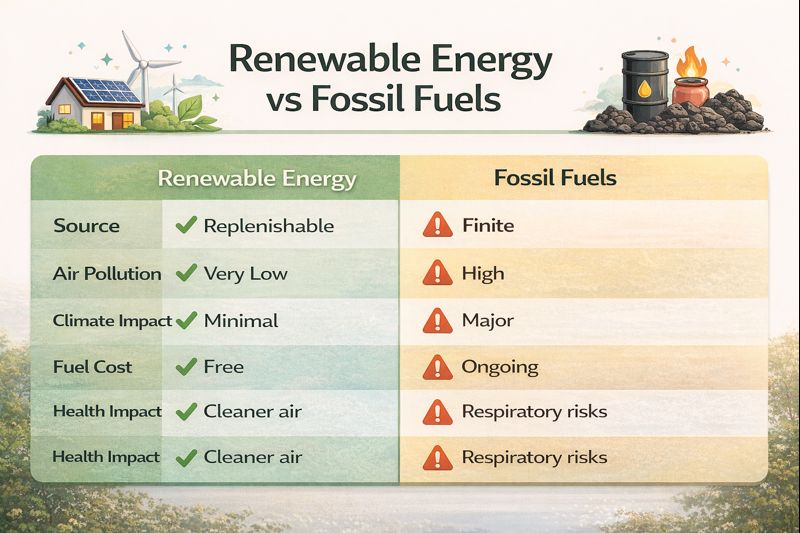
Renewable energy comes from sources that naturally replenish—sun, wind, water, biomass, and Earth’s heat—rather than from finite fuels like coal, oil, and gas. It emits little to no greenhouse gases during operation and far less air pollution overall.
Can renewable energy really power an entire country?
Yes. When countries combine different renewables and invest in storage and modern grids, renewables can cover most or all of electricity demand. Some nations already get the majority of their power from hydropower, wind, and solar.
Is solar power worth it for a typical homeowner?
It depends on your roof, local electricity prices, and incentives. In sunny areas with good policies, rooftop solar often pays for itself over several years and then keeps producing relatively low-cost electricity for decades.
What sets renewable energy apart from energy efficiency?
Renewable energy changes how electricity is produced, while energy efficiency reduces how much you need in the first place. They work best together: use less energy, and make the energy you do use as clean as possible.
How can I start using renewable energy on a tight budget?
Begin with low-cost actions: switch to LEDs, use smart power strips and timers, unplug rarely used devices, try a small solar charger or power bank, and choose a green power plan or community solar option if it’s available.
Conclusion: Your Next Step Toward Cleaner Power
Renewable energy isn’t just about giant wind farms and government targets. It’s about your daily life—what powers your lights, charges your phone, and keeps your home comfortable.
Solar, wind, hydropower, biomass, geothermal, and emerging ocean technologies all play a role in building a cleaner, more resilient energy system. The science is clear: scaling renewable energy cuts pollution, protects health, and helps stabilize the climate.
You don’t have to become a full-time sustainability warrior. But you can take one step—however small—toward a cleaner energy future, whether that’s checking a green tariff, buying your first solar gadget, or planning a bigger home upgrade.
The important part isn’t doing everything. It’s doing something—and then, when you’re ready, doing a little more.