Top 10 Foldable solar panels
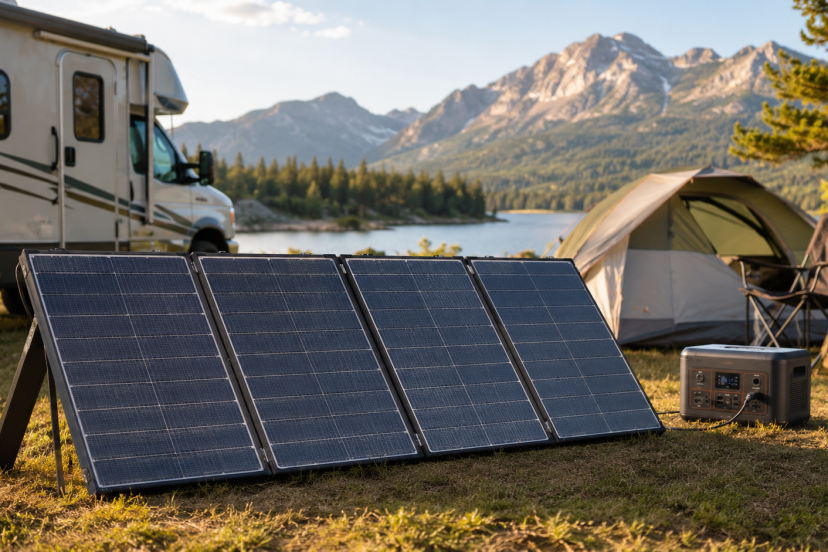
Foldable solar panels give campers, RV owners, emergency planners, and portable-power users a practical way to collect solar energy without installing permanent hardware. The best Foldable solar panels balance rated output, packed size, weather resistance, connector compatibility, and setup speed. A lightweight phone charger serves a different purpose from a 200-watt panel for a large power station, so buying only by wattage can disappoint. We evaluated current Amazon.com options by verified specifications, portability, connections, construction, intended use, limitations, and value. These selections cover budget travel, beginner charging, premium power stations, and specialized 12-volt battery setups.
Foldable Solar Panels Comparison Table
| Product | Best for | Key feature | Main limitation | Price category | Overall recommendation |
| Renogy E.FLEX-Core 100W | Most buyers | N-type cells and USB ports | Moderate folded size | Mid-range | Best overall |
| Jackery SolarSaga 200W | Premium high output | 200W bifacial design | Heavy for backpacking | Premium | Best premium option |
| EcoFlow 110W | EcoFlow power stations | Carrying case becomes stand | Positioning can feel fiddly | Premium | Strong ecosystem fit |
| BLUETTI 100W | BLUETTI power stations | Adjustable kickstand | Product-page details need checking | Mid-range | Verify selected variation |
| BigBlue SolarPowa100 | Mixed-device charging | USB-C, USB-A, and MC4 outputs | Less output than 200W panels | Mid-range | Highly versatile |
| FlexSolar 100W | Beginners | USB-C, USB-A, and DC outputs | Adapters may not fit every station | Mid-range | Flexible starter option |
| GRECELL 100W | Value shoppers | Simple 20V portable design | Limited technical details | Budget | Basic station charger |
| ALLPOWERS SOLAX SE100 | ALLPOWERS users | Adjustable integrated stand | Most convenient within its ecosystem | Mid-range | Logical brand match |
| BigBlue 28W | Phones and backpacking | Compact USB charging | Not suitable for large power stations | Budget | Best lightweight option |
| DOKIO 300W Kit | 12V battery setups | Charge controller included | Requires substantial setup space | Mid-range | Best specialized kit |
1. Renogy 100W Portable Solar Panel E.FLEX-Core — Best for Most Buyers
Overview: Renogy’s E.FLEX-Core is a versatile 100-watt panel for campers, van travelers, emergency kits, and power-station owners. Its solar connector and USB outputs reduce dependence on one equipment brand.
Key Features: Manufacturer-listed N-type cells; four kickstands; 40-, 50-, and 60-degree angles; MC4-style connection; one USB-C and two USB-A ports; IP65 protection; magnetic closure.
Pros: Broad charging options; 7.28-pound listed weight; adjustable positioning; useful for stations and electronics.
Cons: Larger than phone-focused panels; IP65 does not permit submersion.
Best For: Buyers wanting one panel for camping and backup duties.
Verdict: Its balanced output, connections, and support system make it the strongest all-around recommendation.
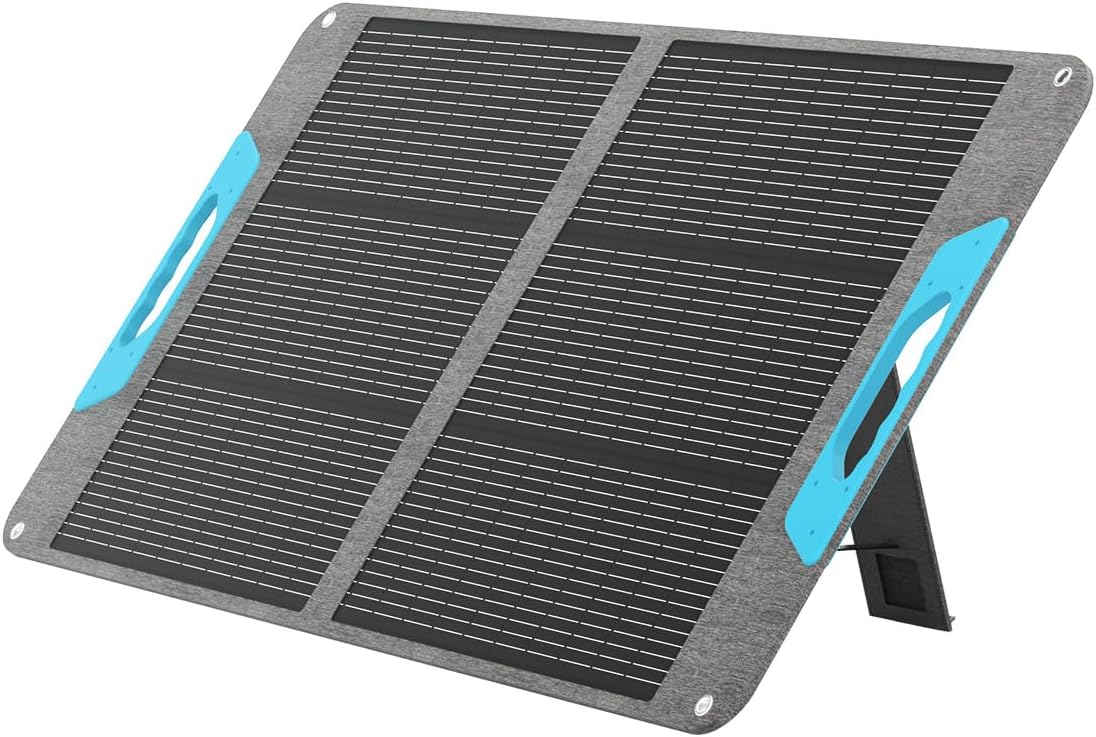
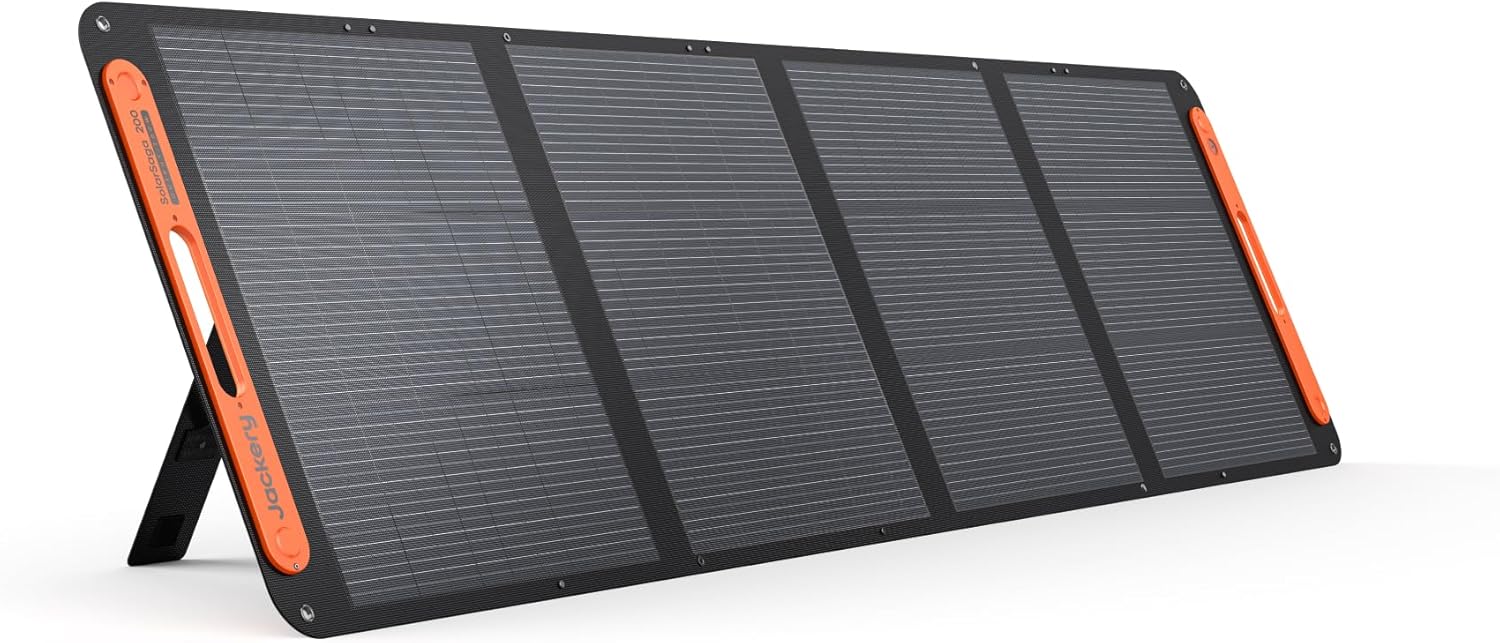
2. Jackery SolarSaga 200W Portable Solar Panel — Best for Premium High Output
Overview: The SolarSaga 200W targets campers, RV travelers, and backup users who need more input than a 100-watt panel. Its bifacial design can collect light from both sides when conditions allow.
Key Features: Manufacturer-rated 200-watt output; IBC cell technology; DC8020 connection; USB-C and USB-A ports; folding construction; manufacturer-listed IP68 protection; claimed conversion efficiency up to 26.7 percent.
Pros: Higher rated output; direct USB charging; folding setup; strong fit for Jackery power stations.
Cons: Its 16.94-pound listed weight is unsuitable for backpacking, and non-Jackery compatibility requires careful input verification.
Best For: Premium buyers using Jackery stations.
Verdict: The SolarSaga 200W earns the premium position through high output, versatile ports, and weather-conscious construction.
3. EF ECOFLOW 110W Portable Solar Panel — Best for EcoFlow Power Stations
Overview: EcoFlow’s 110-watt panel is designed for portable stations and travel. Its carrying case converts into a support stand, reducing separate hardware while keeping the folded package organized.
Key Features: Manufacturer-rated 110-watt output; monocrystalline cells; MC4-style connection; convertible case; folding construction; manufacturer-listed IP68 protection; claimed efficiency up to 23 percent.
Pros: Convenient storage; established EcoFlow compatibility; weather-resistant specification; useful middle ground between compact and high-output panels.
Cons: The case-style stand can be less intuitive than fixed kickstands, while premium branding raises the cost.
Best For: EcoFlow owners wanting a matching travel panel.
Verdict: It is a dependable ecosystem choice when tidy storage and weather protection matter.

4. BLUETTI 100W Portable Solar Panel — Best for BLUETTI Power Stations
Overview: This BLUETTI panel uses a mainstream 100-watt format for camping, RV travel, outages, and compatible portable stations. Adjustable supports aim the panel without improvised props.
Key Features: Manufacturer-rated 100-watt output; folding construction; adjustable kickstand; monocrystalline cells; manufacturer-listed IP67 protection; claimed efficiency up to 23.4 percent.
Pros: Familiar output class; weather-focused construction; integrated support; straightforward match for BLUETTI equipment.
Cons: Amazon currently shows inconsistent model, weight, and dimension fields, so verify the selected variation before ordering.
Best For: BLUETTI owners preferring a same-brand accessory.
Verdict: It deserves consideration for ecosystem convenience, although its product-page details require more checking than competing options.

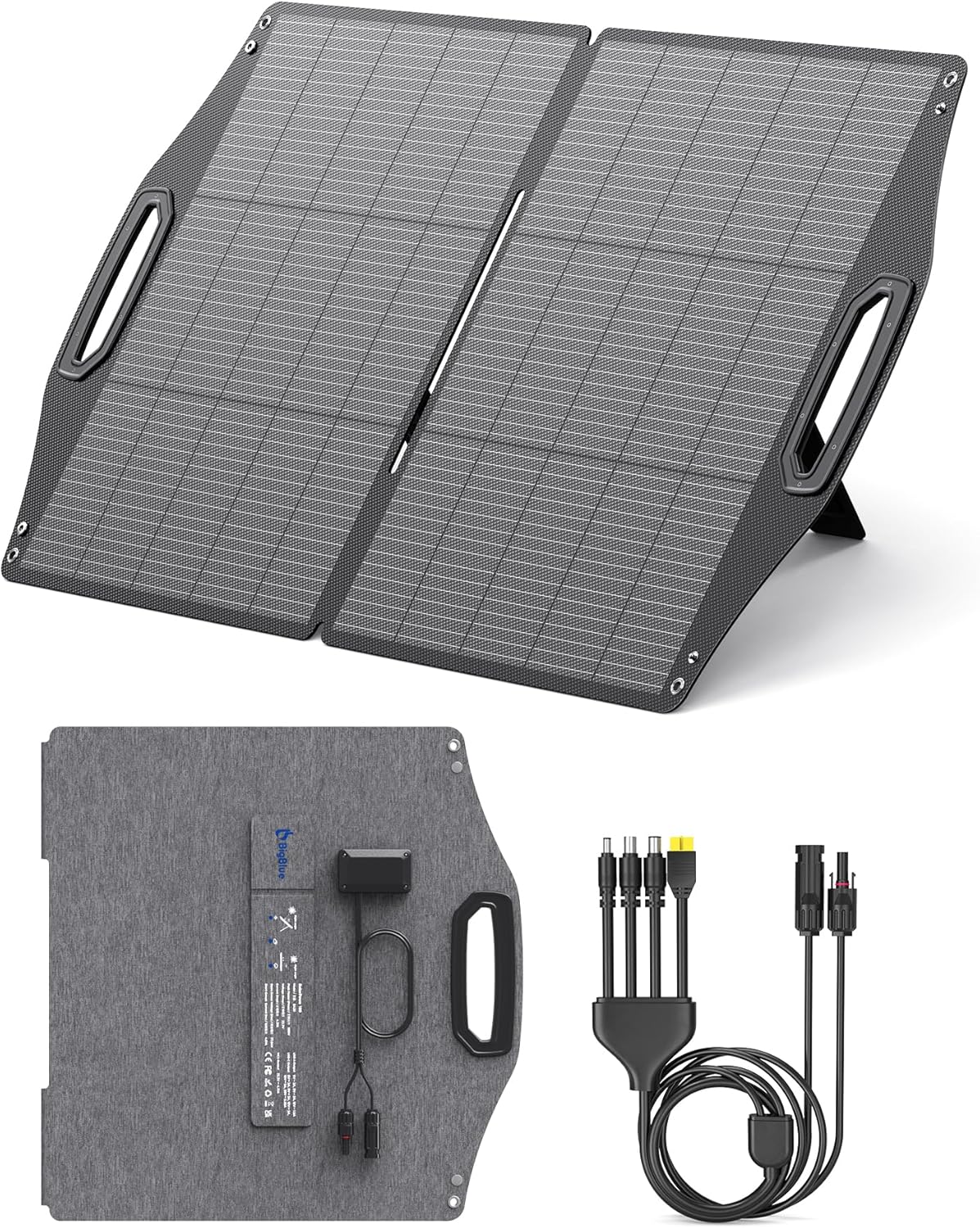
5. BigBlue SolarPowa100 100W Solar Panel — Best for Mixed Device Charging
Overview: The SolarPowa100 bridges gadget and power-station charging. Unlike panels offering only a solar connector, it includes USB outputs for phones, tablets, power banks, and supported electronics.
Key Features: Manufacturer-rated 100-watt output; 45-watt USB-C Power Delivery; 18-watt USB-A charging; MC4-style output; kickstand; folding design; manufacturer-listed IP68 protection; listed 6.5-pound weight.
Pros: Excellent port variety; relatively light; direct device charging; broad station-adapter potential.
Cons: Buyers must confirm voltage and input limits, while direct charging varies with sunlight.
Best For: Campers carrying a station and several USB devices.
Verdict: Few 100-watt options combine this level of portability, USB convenience, and station connectivity.
6. FlexSolar 100W Foldable Portable Solar Panel Charger — Best for Port Selection
Overview: FlexSolar combines USB-C, USB-A, and DC connections in one folding 100-watt charger. That layout is approachable for first-time buyers using varied portable equipment.
Key Features: Manufacturer-rated 100-watt output; PD 3.0 USB-C; QC 3.0 USB-A; DC output; folding panels; support stands; manufacturer-listed IP67 protection; model YL-S100-CA.
Pros: Broad port selection; direct small-device charging; no single-brand lock-in; camping-oriented format.
Cons: Included adapters may not cover every station, and DC voltage and polarity must match rather than merely the plug shape.
Best For: Beginners seeking flexible connections without extra charging hubs.
Verdict: Its accessible port mix makes it a practical first panel for mixed portable-power gear.

7. GRECELL 100W Portable Solar Panel — Best for Affordable Power-Station Charging
Overview: GRECELL follows a simple 100-watt, 20-volt format for portable generators, van trips, camping, and emergency backup. It emphasizes mainstream station charging rather than premium extras.
Key Features: Manufacturer-rated 100-watt output; 20-volt design; folding construction; integrated supports; portable carry form; manufacturer-described waterproof build.
Pros: Budget-oriented category; familiar output level; easier transport than loose rigid panels; suitable for occasional backup.
Cons: Fewer technical details are consistently displayed than for leading brands, and connector compatibility requires confirmation.
Best For: Cost-conscious users with a compatible power station.
Verdict: It is a straightforward value option, provided you verify the exact input cable and electrical range before purchasing.

8. ALLPOWERS SOLAX SE100 100W Portable Solar Panel — Best for ALLPOWERS Users
Overview: The SOLAX SE100 is promoted for ALLPOWERS stations, RVs, vans, and campsites. It offers a matched-brand route for users who prefer avoiding third-party adapter combinations.
Key Features: Manufacturer-rated 100-watt output; folding construction; adjustable kickstand; portable carry format; support for named ALLPOWERS station families; model SE100.
Pros: Straightforward ecosystem pairing; adjustable positioning; practical mid-range output; easier storage than rigid panels.
Cons: Its clearest compatibility benefits apply to ALLPOWERS equipment; other station owners must confirm voltage and connectors.
Best For: Buyers using a supported ALLPOWERS S-, R-, or P-series station.
Verdict: It is not the most universal choice, but it remains a logical, low-friction companion for the brand’s power stations.
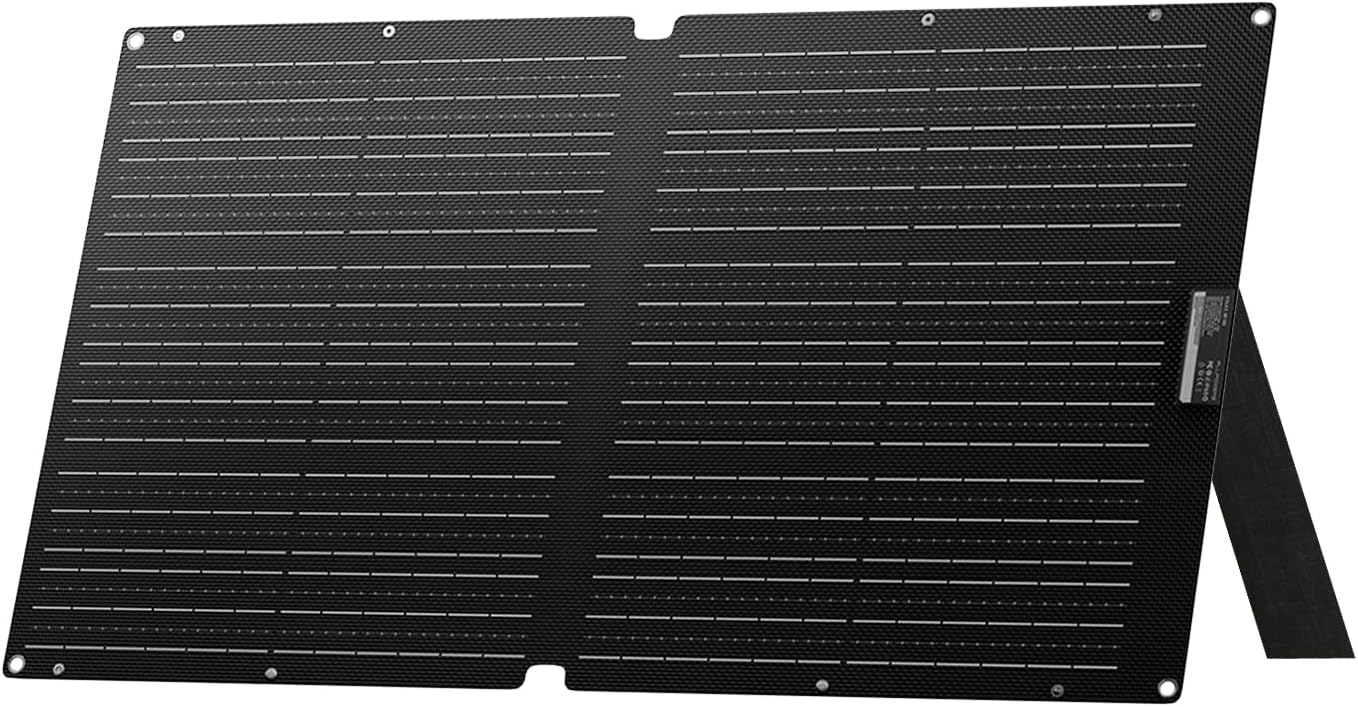
9. BigBlue 28W High-Efficiency Solar Panel Charger — Best for Phones and Backpacking
Overview: BigBlue’s 28-watt charger serves hikers, travelers, and emergency bags needing to recharge phones, power banks, GPS units, or tablets directly through USB.
Key Features: Manufacturer-rated 28-watt output; dual USB-C and USB-A charging; four-panel folding construction; hanging loops; compact carry profile; model B401D.
Pros: Light, packable design; useful USB choices; lower cost; simple attachment to a pack or campsite support.
Cons: It cannot replace a 100-watt station panel, stores no electricity, and needs a power bank for nighttime use.
Best For: Backpackers prioritizing small-device charging over high output.
Verdict: This is the best budget and compact choice because it solves a focused mobile-charging problem without unnecessary bulk.

10. DOKIO 300W Portable Foldable Solar Panel Kit — Best for 12V Battery Setups
Overview: DOKIO’s kit targets users wanting larger manufacturer-rated output and a controller for 12-volt battery charging. It suits RV, trailer, emergency, and off-grid setups with ample deployment space.
Key Features: Manufacturer-rated 300-watt output; separate charge controller; dual USB outputs; monocrystalline construction; folding case; battery and station cables; listed weight near 15.3 pounds.
Pros: Controller included; higher listed output than other selections; battery-oriented accessories; folds for transport.
Cons: It needs substantial sunny space, adds cable management, and requires correct controller settings and station input limits.
Best For: RV owners and 12-volt battery users seeking a specialized portable kit.
Verdict: Its controller and unusual output class make it the strongest specialized selection.

How to Choose the Best Foldable solar panels
Start with realistic power needs. A 20- to 30-watt panel can maintain phones and power banks, while 100-watt models better suit compact stations. Larger 200- or 300-watt products make sense only when your battery accepts that solar input and you have room to deploy them.
Check electrical compatibility, not merely connector shape. Compare open-circuit voltage, operating voltage, current, polarity, and connectors with your station’s approved input range. An adapter cannot make incompatible specifications safe. Our guide to solar panels for camping explains how connector compatibility, placement, and campsite conditions affect a portable setup.
Consider packed weight and dimensions alongside rated output. Backpackers benefit from compact USB panels; car campers can accept 100-watt suitcases; RV users may tolerate larger kits. Measure storage space before buying and allow room for cables.
Evaluate the support system. Integrated kickstands deploy quickly and provide repeatable angles. Case-style stands save components but may take longer to position. Multiple angles help during seasonal travel, although panels still need repositioning as the sun moves.
Interpret weather ratings carefully. IP65 generally addresses dust and water jets, while IP67 or IP68 indicates stronger laboratory-tested ingress protection under defined conditions. These ratings do not make every connector, controller, or attached device equally protected. Keep ports capped, avoid standing water, and follow handling instructions.
Also inspect cable length: a short lead can restrict placement, while excessive extensions may add resistance and create another connection that needs reliable weather protection.
Finally, compare ports, materials, warranty terms, and support. USB-C is convenient, but a solar connector is usually more useful for stations. ETFE surfaces are common on travel panels. Confirm included cables, replacement options, current warranty, and seller information before ordering.
Frequently Asked Questions About Foldable solar panels
Do foldable solar panels store electricity?
No. A panel generates electricity in suitable light but does not store it. Connect it to a power station, battery system with an appropriate controller, or power bank for energy after sunset.
Can I connect any foldable panel to my power station?
No. Connector, voltage range, current, polarity, and maximum accepted wattage must match. Consult both manuals instead of assuming that a physically fitting plug is electrically compatible.
Do foldable panels produce their full rated wattage?
Not continuously. Ratings use defined test conditions. Sun angle, temperature, clouds, shade, dirt, cable losses, and the receiving device’s limits can reduce real-world input.
Are foldable solar panels waterproof?
Protection varies. Some carry manufacturer-listed IP ratings, but connectors, controllers, and attached devices may have different limits. Avoid submersion unless explicitly permitted, and dry components before storage.
How should I maintain and store a folding panel?
Wipe the surface with a soft, damp cloth, avoid abrasive cleaners, and let it dry. Fold only along designed hinges, protect connectors, and store it away from sharp objects and extreme heat.
Final Verdict
Among Foldable solar panels, the Renogy E.FLEX-Core 100W is the best overall because it combines practical output, adjustable supports, USB charging, and broad station connectivity. The BigBlue 28W is the best budget option for phones and lightweight travel. Jackery’s SolarSaga 200W is the best premium option when higher input and rugged construction justify extra weight. FlexSolar’s 100W charger is the best for beginners because its USB-C, USB-A, and DC ports serve common devices. The DOKIO 300W kit is the best specialized option for compatible 12-volt battery setups.
Before buying, compare specifications, confirm dimensions and compatibility, review current warranty details, and check current product information and availability on Amazon.com.