Commercial Solar Panels: Costs, Types & Buying Guide
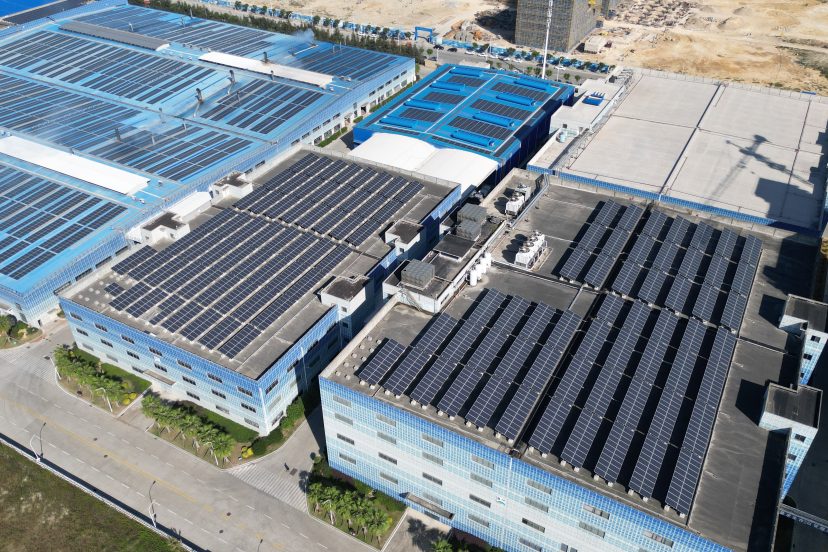
Electricity can be a major operating cost for a warehouse, farm, office, workshop, or retail property. If your daytime demand is steady and you have usable roof, ground, or parking space, commercial solar panels may turn part of that expense into a long-term energy asset. The harder question is which system size, module technology, financing approach, and installer proposal actually fit your operation.
A weak proposal can look attractive on paper if it relies on optimistic production, utility rates, or incentives. Meanwhile, an expensive-looking quote may include better engineering, service, and equipment. This guide helps you compare those details, estimate production, judge warranties and financing, and choose panels for smaller business or remote-load projects without treating panel wattage as the whole decision.
What Commercial Solar Panels Are—and What They Are Not
Commercial solar panels are designed around business loads, site conditions, electrical service, and financial goals. Modules produce DC electricity; inverters convert it to AC power.
For large projects, panels alone are not enough. Racking, permitting, protection, interconnection, and installation also matter. Retail modules are better suited to workshops, farms, remote loads, mobile businesses, and pilot systems.
When Commercial Solar Panels Make Financial Sense
Commercial solar panels make the most sense when a business has meaningful daytime consumption, usable installation space, and enough time at the property to benefit from the investment.
Demand charges, time-of-use rates, export compensation, fixed fees, and interconnection rules can change payback. Gather 12 months of bills and, if available, interval-load data before comparing proposals.
How to Size a System Around Your Load
Start with energy use, not panel count. Review annual kilowatt-hours, seasonal changes, demand peaks, and when your facility consumes the most electricity.
NREL’s PVWatts estimates grid-connected production from location and system inputs while noting uncertainty. Use it for early comparisons, then have a commercial designer refine shading, equipment losses, and load matching.
Roof, Ground, or Carport: Choosing the Right Site
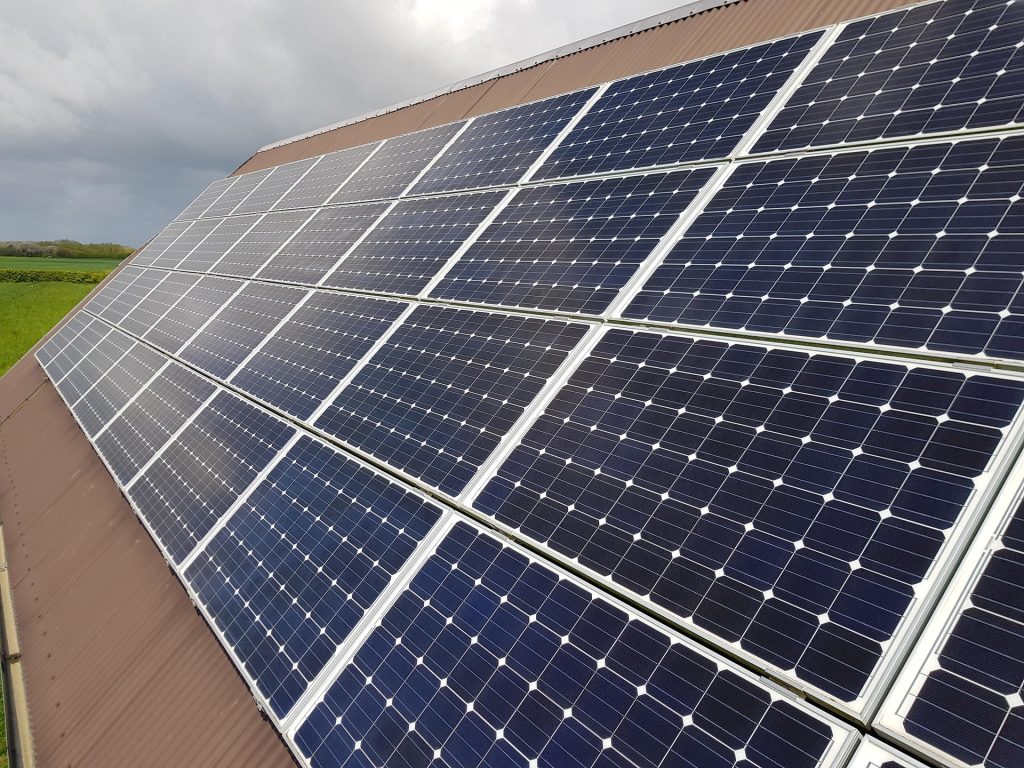
A roof saves land but requires checks for roof life, structural capacity, drainage, setbacks, and access. Ground mounts allow more control over tilt; carports add vehicle cover but need substantial structural work.
Before approving a layout, compare shade, azimuth, and tilt; the guide to finding the best solar panel angle explains those trade-offs before an installer models the final array.
Efficiency, Wattage, and Space: What Matters Most
Higher wattage can reduce module count, while higher efficiency can fit more capacity into limited space. Neither number determines project value alone.
When comparing commercial solar panels, check dimensions, electrical characteristics, temperature coefficient, degradation warranty, mechanical-load ratings, and inverter compatibility. A less impressive headline specification can still produce a better layout or lower total system cost.
Module Technology: Mono, N-Type, Bifacial, and More
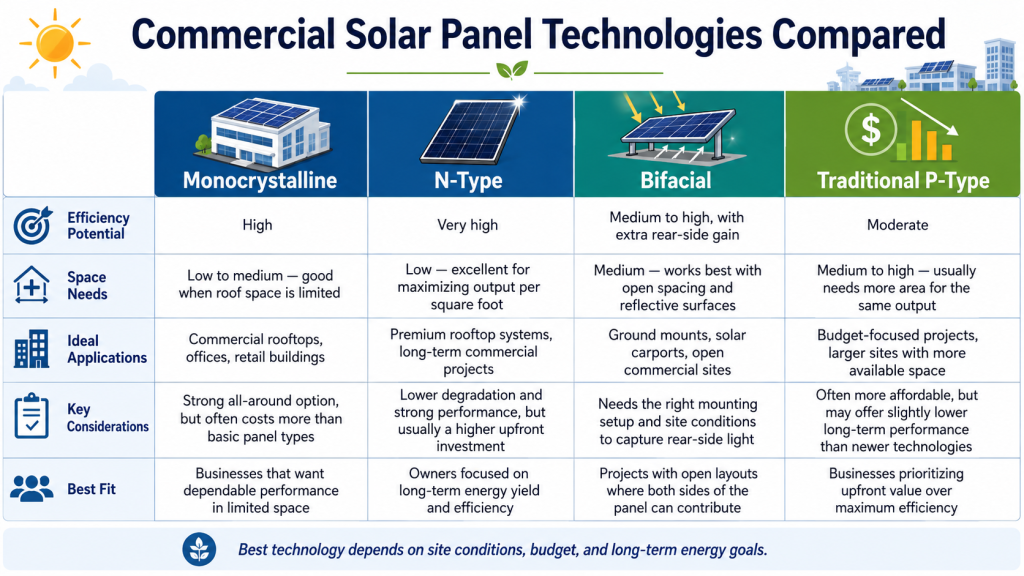
Monocrystalline silicon is common where power density matters, while N-type modules use different silicon doping from conventional p-type designs.
Bifacial modules collect light from both sides and can help on elevated racks over reflective surfaces. Yet rear-side gain depends on mounting height, shading, spacing, and reflectivity. For commercial solar panels, model the actual site instead of assuming a standard bifacial boost.
Inverters, Racking, and Balance-of-System Costs
Panels are only one part of an array. Inverters must match voltage, current, service, monitoring needs, and the chosen DC-to-AC ratio. Racking must fit the roof or soil.
NLR’s cost framework separates module, inverter, structural and electrical balance-of-system, fieldwork, office work, and developer costs. A cheaper panel does not guarantee a cheaper installed project.
How to Compare Commercial Solar Panel Quotes
Compare proposals using the same yardstick: DC size, first-year output, modeling method, degradation assumption, inverter design, warranties, monitoring, interconnection scope, and exclusions.
Then test assumptions for utility-rate escalation, export credits, maintenance, financing, incentives, and downtime. If one quote shows a much faster payback, identify why. Good commercial solar panels still need a credible design and service plan.

Recommended Commercial Solar Panels for Small Business and Remote Loads
These recommendations suit small commercial, agricultural, mobile, or off-grid loads better than turnkey multi-hundred-kilowatt rooftops. For large facilities, treat them as examples of features to compare within an engineered procurement process.
| Product | Rated power | Standout feature | Best fit |
| SUNGOLDPOWER 2PCS 500W | 500W each | Large half-cell format | Farms and outbuildings |
| Renogy N-Type | 200W | Compact 16BB design | Tight spaces |
| BougeRV Bifacial N-Type | 200W | Bifacial construction | Reflective open racks |
| Newpowa 10BB 24V | 200W | 24V-oriented module | Remote 24V loads |
| Newpowa PRO 12V | 200W | 9BB mono module | Small 12V systems |
SUNGOLDPOWER UL61730 500 Watt Monocrystalline Solar Panel 2PCS, Grade A Cell,Whole Black High Efficiency,IP68,for 12V/24V/48Vdc RV,Farms,Parking Lot,On/Off-Grid System CEC listed(2*500W Solar Panel)
Best for: Farms, parking structures, and larger outbuildings
Each module is rated at 500W and uses a half-cell monocrystalline layout, so a small project may reach its target capacity with fewer panels. The large format can suit open roofs or ground racks where space is simple. However, bigger modules demand careful handling, structural planning, and compatible racking.
Renogy Solar Panels 200 Watt N-Type, 200W Solar Panel 16BB 25% High-Efficiency Solar Cell for 12V/24V Systems,PV Module Power Charger for Class B Van RV Marine Cabin Roof Home Farm
Best for: Space-constrained auxiliary business systems
This 200W N-type panel has a 25% cell efficiency and a 16-busbar design. Renogy also describes it as smaller and lighter than its previous comparable model, useful where space is limited. Its 200W rating means a substantial facility load would require many modules, so it fits auxiliary systems better than a large commercial array.
BougeRV 200 Watt Solar Panel Bifacial 12V N-Type 16BB for RV Roof Off-Grid | 200W Solar Panel with 25% High-Efficiency for Class B Van Camping Boat Marine Home Farm Log Cabin Black Frame (1Pack)
Best for: Open-backed racks with reflected light
BougeRV combines a 200W rating, N-type cells, 16BB construction, and a bifacial design. It can make sense for sheds, farms, or elevated racks where light reaches the rear surface. Rear-side production depends on mounting geometry, shade, and reflectivity, so model the site rather than budgeting an assumed bifacial gain.
Newpowa 10BB 200W 24V Monocrystalline 200 Watt 24Volt Solar Panel Designed for 24V Charge System Off Grid, High Efficiency Mono Module RV Marine Boat Off Grid (200W New)
Best for: Dedicated 24V remote business loads
This 200W monocrystalline module is designed for 24V charge systems and uses 10-busbar construction. It suits remote monitoring, pumps, communications, or agricultural loads built around a compatible 24V battery system. Verify controller limits, cold-weather open-circuit voltage, wiring, mounting, and protection requirements before specifying the rest of the system.
Newpowa PRO 200 Watt 12 Volt Monocrystalline 200W 12V Solar Panel, 9 busbar PV Module, High Efficiency Mono Module RV Marine Boat Off Grid
Best for: Small 12V workshops, trailers, and mobile operations
The Newpowa PRO pairs a 200W rating with a 9-busbar monocrystalline design and nominal 12V output. Its framed, predrilled format suits straightforward off-grid racks and mobile operations. It is only one component, so the charge controller, battery bank, fusing, cable sizing, and inverter must still be matched to the intended load.
What the Research Says About Cost, Output, and Degradation
The NLR 2024 Annual Technology Baseline uses a representative 200-kWDC flat-roof system with a 1.23 DC-to-AC ratio. Its historical benchmark lists $1.78/WDC in 2023, while actual costs vary.
The NREL PVWatts Calculator estimates grid-connected generation from site and system inputs while noting uncertainty. It helps compare scenarios but does not replace engineering.
Long-term output also declines. An NREL analytical review of nearly 2,000 published rates found a median degradation rate of 0.5% per year. DOE’s 2025 end-of-life guidance cites industry survey data placing average panel operating life around 25–35 years. Conservative financial models should account for that gradual decline.
Financing, Tax Credits, and Payback Timing
Cash, loans, leases, and power-purchase agreements distribute cost, ownership, incentives, and maintenance differently. Compare long-term cash flow, not just the first monthly payment.
For U.S. buyers, timing matters. IRS Notice 2025-42 says Sections 45Y and 48E terminate for certain applicable solar facilities placed in service after December 31, 2027 when construction begins after July 4, 2026. Eligibility is project-specific, so get qualified tax advice before signing.
Warranties, Maintenance, and Long-Term Reliability
Separate the product, performance, and installer workmanship warranties. A long performance term may not cover labor, shipping, roof repairs, inverter replacement, or lost production.
Plan maintenance around monitoring and site conditions. DOE guidance cites average module operating life around 25–35 years, so access for inspections, repairs, and eventual decommissioning matters when commercial solar panels become part of the property.
Common Buying Mistakes to Avoid
Do not buy panels before defining the system. A bargain module becomes costly if its voltage conflicts with the inverter, its dimensions waste roof space, or its documentation complicates permitting.
The highest efficiency is not automatically the best value. Compare installed design, projected energy, warranties, serviceability, and lifetime cost. Challenge savings projections by checking utility rates, export credits, degradation, maintenance, financing, and incentives.
Frequently Asked Questions About Commercial Solar Panels
How long do commercial solar panels usually last?
Many systems can operate for decades. U.S. Department of Energy guidance updated in 2025 cites industry survey data showing an average panel operating life of about 25–35 years. Output typically declines gradually, so financial models should include degradation. Inverters, monitoring equipment, roofing, and other components can have different replacement schedules.
What is the required number of solar panels for a business?
It depends on annual consumption, daytime load, usable area, module wattage, shading, utility rules, and the share of usage you want to offset. Start with bills and interval data, then model expected production and system losses. The right panel count follows the energy and financial targets; it should not be chosen from annual kilowatt-hours alone.
Are higher-wattage panels always better for commercial use?
No. Higher wattage can reduce module count, but dimensions, efficiency, electrical characteristics, weight, warranty, and cost still matter. A large 500W module may fit an open ground rack beautifully yet be awkward on a roof broken up by vents, setbacks, skylights, or narrow access paths.
Can commercial solar panels function in the event of a power outage?
A conventional grid-tied system generally does not provide backup simply because the sun is shining. Backup requires equipment specifically designed for islanded operation, often including compatible inverters, controls, and battery storage. If resilience matters to your business, make it a design requirement from the beginning rather than assuming the standard proposal includes it.
What should I ask a commercial solar installer before signing?
Ask for modeled annual production, shading assumptions, the equipment schedule, warranties, interconnection scope, structural responsibilities, exclusions, monitoring, service response, and financial assumptions. Also confirm who handles permits and utility approval. A credible proposal for commercial solar panels should connect equipment choices to your load, site, property constraints, and expected cash flow.
Final Recommendation: Choosing Commercial Solar Panels With Confidence
The best commercial solar panels are the ones that fit a well-designed system, not simply the modules with the biggest wattage or boldest efficiency claim. Start with bills and load data, confirm usable space, model production, and compare proposals with consistent financial assumptions. Then evaluate module size, electrical fit, warranties, racking, inverter design, service, and maintenance.
For smaller agricultural or remote projects, SUNGOLDPOWER’s 500W modules can reduce panel count where large-format handling is practical, while Renogy’s 200W N-type panel suits tighter auxiliary installations. For a commercial rooftop, prioritize an engineered proposal from a qualified contractor and verify the production and financial assumptions independently before committing.