Top 10 100W rigid solar panels
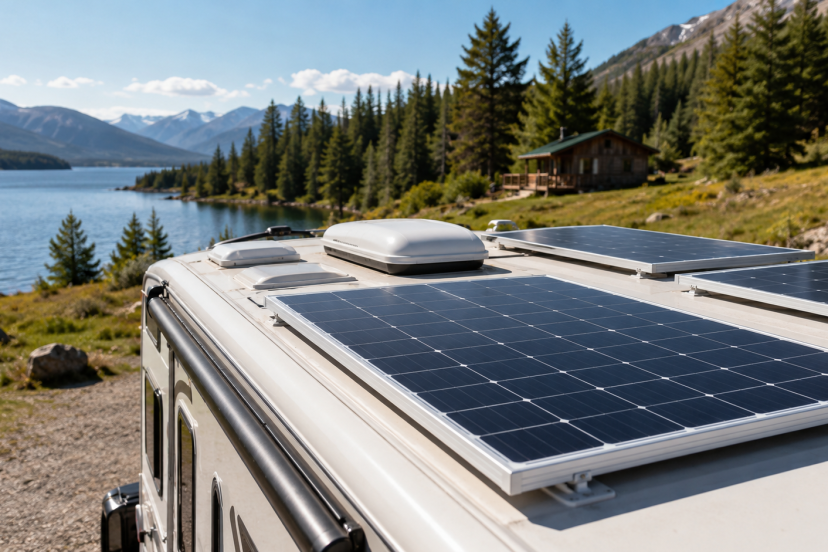
A 100-watt rigid panel suits RV roofs, boats, sheds, cabins, and small battery banks. The best 100W rigid solar panels combine durable construction, useful dimensions, compatible electrical specifications, and straightforward installation. We compared Amazon.com options by cell technology, frame, footprint, hardware, documentation, and value. Because sunlight, heat, shading, wiring, and controller losses affect output, choose a panel that fits your system rather than expecting its nameplate rating continuously during real-world daily use.
Quick Comparison
| Product | Best for | Key feature | Main limitation | Price category | Overall recommendation |
| Renogy RNG-100D-SS | Overall use | Compact N-type design | Mounting hardware sold separately | Mid-range | Most versatile choice |
| HQST 100W 12V 9BB | Budget buyers | Compact 9BB PERC cells | Basic panel-only package | Budget | Strong overall value |
| Callsun DB100W | Premium efficiency | N-type 16BB cell design | Higher purchase cost | Premium | Best compact upgrade |
| Newpowa NPA100M-12I | Square mounting spaces | Short, wide footprint | Unsuitable for narrow roof sections | Mid-range | Excellent for unusual layouts |
| BougeRV ISE250 | Reflective mounting sites | N-type bifacial design | Needs rear clearance for best results | Premium | Best specialized option |
| RICH SOLAR MEGA 100 RS-M100 | RV systems | Familiar 12V panel format | Accessories purchased separately | Mid-range | Dependable RV choice |
| ECO-WORTHY L02M100-1 | Simple system expansion | Conventional electrical profile | Larger than newer compact panels | Budget | Practical add-on panel |
| JJN 100W 10BB | Low-cost DIY builds | Bifacial 10BB cell design | Limited manufacturer documentation | Budget | Affordable bifacial option |
| Mighty Max Battery MLS-1003 | Harsh weather | Rugged frame and broad temperature range | Mounting hardware sold separately | Mid-range | Durable weather-exposed choice |
| Topsolar TOPSP-100W Kit | Beginners | Controller, cables, and brackets included | PWM controller offers less flexibility | Mid-range | Best starter package |
1. Renogy RNG-100D-SS 100W N-Type Solar Panel — Best for Overall Use
Overview: Renogy’s compact rigid module suits RV, marine, rooftop, farm, and cabin systems. Its established ecosystem distinguishes it from lesser-known alternatives.
Key features: 100W output; N-type cells; aluminum frame; tempered glass; mounting holes; solar connectors.
Pros: Compact footprint, established support resources, easy system expansion.
Cons: Mounts and controller are normally separate; premium over basic panels.
Best for: Buyers wanting a balanced, widely supported panel.
Verdict: It leads through versatile dimensions, modern cells, and accessible documentation.

2. HQST 100W 12V 9BB Monocrystalline Solar Panel — Best for Budget Buyers
Overview: This value panel targets DIY battery charging for trailers, boats, cabins, and compact off-grid systems. Its 9-busbar layout and small frame improve on older budget modules.
Key features: 100W rating; 9BB cells; bypass diodes; IP65 junction box; cables; mounting holes.
Pros: Competitive value, manageable weight, useful low-light design features.
Cons: No controller or brackets; verify current electrical label before combining panels.
Best for: Cost-conscious builders comfortable selecting separate components.
Verdict: HQST delivers strong value without unnecessary kit accessories.
3. Callsun DB100W N-Type 16BB Solar Panel — Best for Premium Efficiency
Overview: Callsun’s compact N-type panel targets installations where roof area matters. Its 16-busbar architecture and IP68-rated construction separate it from conventional 9BB modules.
Key features: 100W output; N-type cells; 16BB layout; compact frame; tempered glass; solar connectors.
Pros: Space-saving dimensions, low weight, strong weather-resistance claim.
Cons: Premium pricing; mounting hardware is not included.
Best for: Vans, boats, and small rooftops with limited usable area.
Verdict: It is the premium pick for output density and modern cells.

4. Newpowa NPA100M-12I 100W Monocrystalline Solar Panel — Best for Square Mounting Spaces
Overview: Newpowa uses a short, wide frame instead of a long rectangle. That geometry can solve awkward layouts around vents, fans, hatches, or equipment.
Key features: 100W rating; 9BB cells; square footprint; bypass diodes; three-foot leads; predrilled frame.
Pros: Distinct dimensions, sturdy frame, convenient cabling.
Cons: Shape will not suit narrow rails; brackets cost extra.
Best for: RV and shed roofs with limited length but adequate width.
Verdict: Few rivals offer this footprint, making it a smart problem-solver.
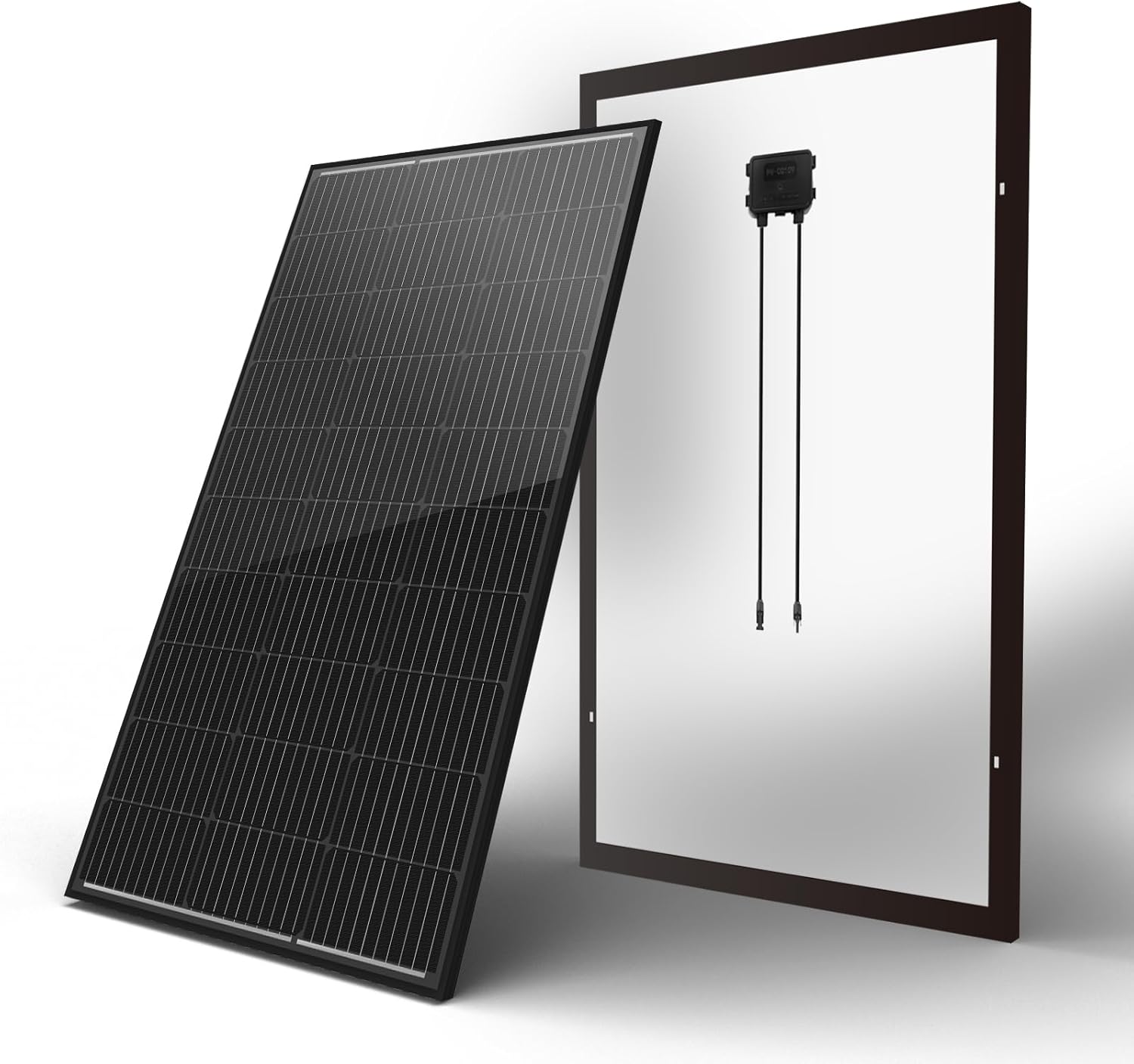
5. BougeRV ISE250 100W N-Type Bifacial Solar Panel — Best for Reflective Mounting Sites
Overview: BougeRV’s rigid bifacial panel collects direct front light and reflected rear light. It works best above a bright roof, rack, or pale ground.
Key features: 100W front rating; N-type TOPCon cells; 16BB design; glass-aluminum frame; connectors; bifacial rear.
Pros: Specialized energy-harvesting design, compact dimensions, robust frame.
Cons: Rear gain varies; flush mounting reduces the bifacial advantage.
Best for: Elevated racks and reflective environments.
Verdict: Choose it for a planned bifacial installation, not merely the headline technology.

6. RICH SOLAR MEGA 100 RS-M100 — Best for RV Systems
Overview: The MEGA 100 is a traditional 12V rigid panel for RV, van, camper, boat, and cabin applications. Its standardized frame makes planning straightforward.
Key features: 100W module; 9BB cells; tempered glass; aluminum frame; mounting holes; connector leads.
Pros: Established model, practical dimensions, mounting compatibility.
Cons: Controller, wiring extensions, and brackets are separate.
Best for: RV owners building or expanding a conventional roof array.
Verdict: It is a dependable middle-ground choice with fewer compatibility surprises.

7. ECO-WORTHY L02M100-1 100W Monocrystalline Solar Panel — Best for Simple Expansion
Overview: ECO-WORTHY’s established 100W module fits basic battery charging and small off-grid arrays. Its familiar voltage range suits many 12V-oriented controllers.
Key features: 100W output; monocrystalline cells; aluminum frame; tempered glass; junction box; cables.
Pros: Budget-friendly, widely used form factor, uncomplicated design.
Cons: Larger than newer compact panels; warranty details need current confirmation.
Best for: Adding a matching-style module to a simple shed, boat, or RV system.
Verdict: This panel favors simplicity over advanced cell marketing or premium packaging.

8. JJN 100W 10BB Bifacial Solar Panel — Best for Low-Cost DIY Builds
Overview: JJN offers a budget rigid module for economical off-grid systems assembled from separate components. Its bifacial design adds rear-side collection without bundling a controller or mounts.
Key features: 100W rating; 10BB cells; bifacial backsheet; aluminum frame; connectors; mounting holes.
Pros: Accessible pricing, rear-side collection, standard installation format.
Cons: Manufacturer documentation is less extensive; verify label specifications carefully.
Best for: Experienced DIY buyers comparing cost per panel.
Verdict: Consider JJN when budget matters and bifacial mounting is practical.

9. Mighty Max Battery MLS-1003 100W Solar Panel — Best for Harsh Weather
Overview: Mighty Max’s monocrystalline panel targets RVs, boats, cabins, and off-grid sites. Its manufacturer-stated temperature range distinguishes it from budget modules.
Key features: 100W output; 9BB cells; 3.2mm tempered glass; IP65 junction box; MC4-compatible connectors; predrilled frame.
Pros: Durable construction, compact width, electrical specifications.
Cons: Mounting hardware is separate; efficiency and warranty claims need confirmation.
Best for: Buyers installing panels in demanding conditions.
Verdict: Its rugged construction and documented specifications justify inclusion for weather-exposed systems.

10. Topsolar TOPSP-100W 100W Solar Panel Kit — Best for Beginners
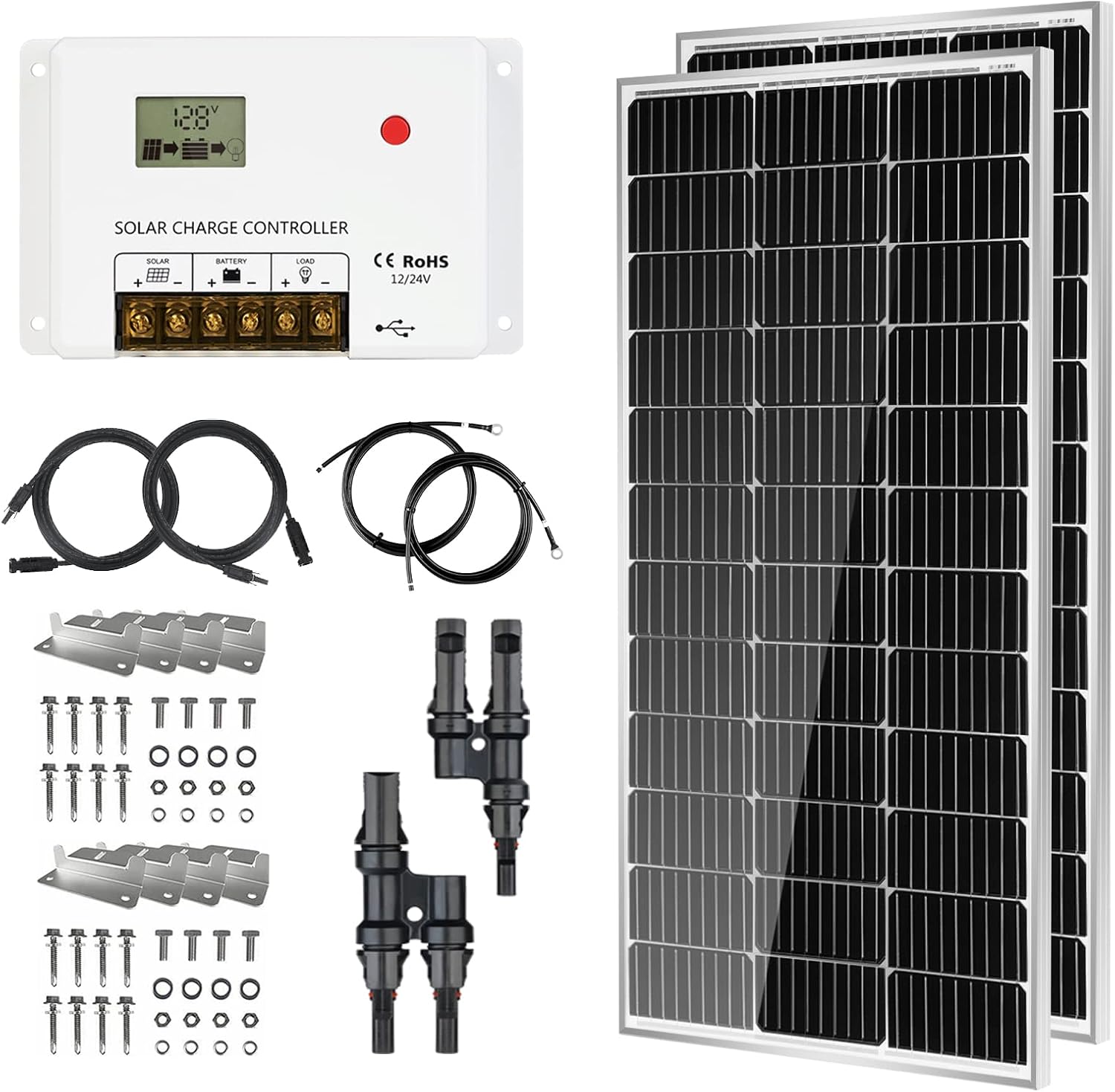
Overview: Topsolar combines a rigid 100W module with a PWM controller, cables, and brackets. The package reduces accessory shopping for first-time projects.
Key features: Monocrystalline panel; 30A PWM controller; extension cables; Z-brackets; predrilled frame; 12V/24V support.
Pros: Convenient starter bundle, clearer parts list, lower setup friction.
Cons: PWM is less flexible than MPPT; included components may not suit every battery.
Best for: Beginners powering a small RV, boat, shed, or backup battery.
Verdict: It is the easiest start when convenience outweighs component optimization.

How to Choose the Best 100W rigid solar panels
Start with dimensions. Roof vents, rack bars, shadows, and service access can make panel shape more important than small efficiency differences. Measure carefully and allow room for brackets, airflow, wiring, and maintenance.
Compare Vmp, Voc, Imp, and Isc. Your controller must accept the array’s voltage and current, especially with series or parallel wiring. Avoid mixing modules with substantially different characteristics.
Choose cell technology according to space and budget. N-type and higher-busbar panels may provide compact designs or better manufacturer-rated efficiency, while established PERC modules can cost less. Bifacial panels need rear exposure and reflective surroundings.
Inspect tempered glass, frame thickness, junction-box rating, cable length, connectors, load ratings, and mounting holes. For broader guidance on output, setup, and uses, see this 100 watt solar panel guide.
Confirm package contents. Panel-only purchases require a compatible controller, correctly sized wiring, fuses, connectors, mounts, and usually a battery. Recheck warranty terms because coverage varies by model and seller.
Frequently Asked Questions About 100W rigid solar panels
Can a 100W panel charge a 12V battery?
Yes, through a compatible charge controller. Charging speed depends on sunlight, battery capacity, state of charge, temperature, and losses.
Do I need an MPPT controller?
Not always. PWM can suit a basic matched system, but MPPT usually offers more flexibility and better harvesting under changing conditions.
Can I connect two different 100W panels together?
Possibly, but compare voltage and current first. Poorly matched panels can limit performance, especially in series strings.
How long do rigid solar panels last?
Quality modules are designed for long service, but lifespan depends on sealing, mounting, heat, weather, impacts, and maintenance. Confirm current coverage.
Are 100W rigid solar panels waterproof?
Most are weather-resistant, not universally waterproof. Protect connectors, cable entries, controllers, and batteries according to their ratings and instructions.
Final Verdict
Among 100W rigid solar panels, Renogy is best overall for support, compact construction, and broad off-grid usefulness. HQST is the best budget option because its 9BB design offers strong value without unnecessary extras. Callsun is the best premium choice for buyers prioritizing compact N-type construction. Topsolar is best for beginners because its kit includes major setup components. BougeRV is the best specialized option for elevated bifacial installations.
Before ordering, compare electrical labels, dimensions, connectors, accessories, and controller limits. Confirm warranty terms, seller, availability, and Amazon.com product information so the panel matches your installation.