Do Solar Panels Work In Winter?
If you’ve ever looked at a gray January sky and thought, “There’s no way my roof is doing much today,” you’re not alone. A lot of people assume Solar Panels are basically summer-only helpers, like sandals or iced coffee. But winter solar is more capable than it gets credit for. In this guide, you’ll see what really affects winter performance, what snow and clouds actually do, and how to make solar work smarter when the weather turns cold.
Affiliate note: The product picks below are included for convenience, and some purchases may earn a commission at no extra cost to you.
Why winter makes people question solar
Winter just looks unfriendly to solar. The days are shorter. Trees cast longer shadows. Roofs can stay damp, icy, or snow-covered. So it’s easy to assume your system is taking the season off.
That doubt makes sense. Still, the cold itself is usually not the villain. In most cases, winter solar performance comes down to reduced daylight, lower sun angles, cloud cover, and snow accumulation, not the fact that the air feels cold on your face.
Do solar panels continue to work in winter?
Yes, they do.
Solar panels produce electricity from sunlight rather than heat. The U.S. Department of Energy notes that photovoltaic panels can produce useful power in all four seasons, including snowy climates. So if the sun is out, your system can still work, even on a cold day that makes you want to live inside a blanket.
Cold weather can actually help solar panels
Here’s the part that surprises people: solar panels often operate more efficiently in colder weather.
DOE guidance explains that PV modules operate more efficiently in colder weather because higher temperatures reduce voltage. In plain English, a bright, cold day can be a very solid day for solar production. That doesn’t mean winter always beats summer overall, but it does mean cold air alone is not bad news.
Shorter days matter more than cold air
If winter output drops, the bigger reason is usually time, not temperature.
You simply get fewer daylight hours, and the sun sits lower in the sky. So your system has a shorter window to collect energy. Think of it like running a shop with fewer opening hours. Even if business is steady while the doors are open, total daily sales can still be lower.
That’s why many homeowners see less total generation in winter even though the panels themselves may like the colder conditions.
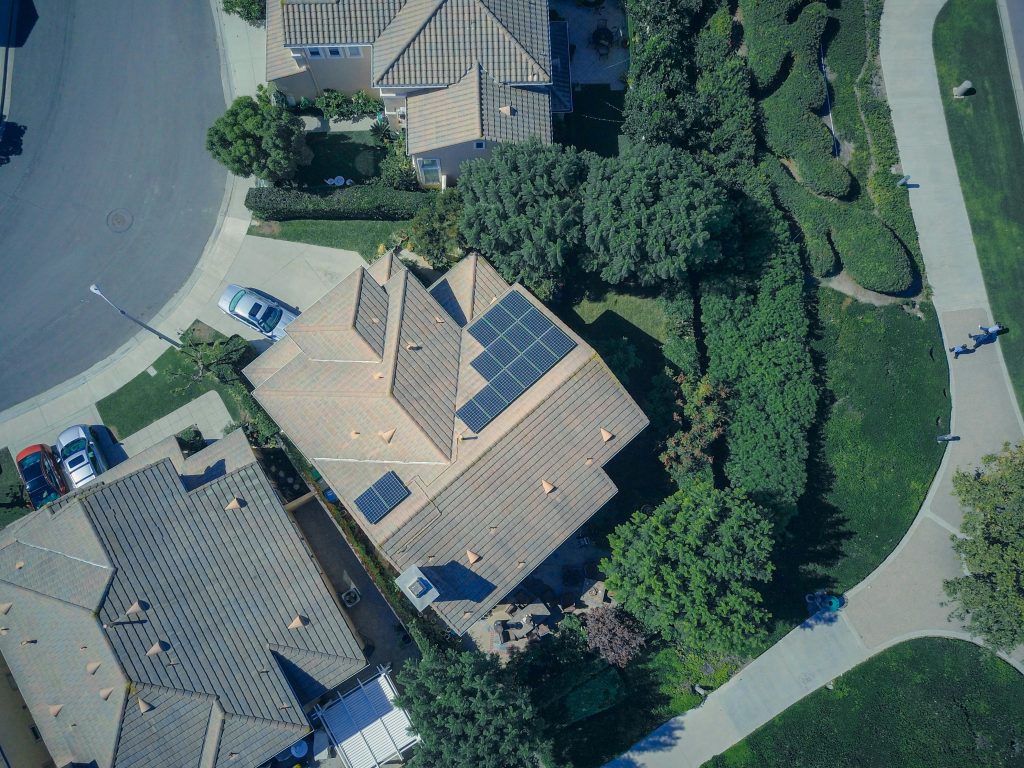
What snow really does to solar panels
Snow is where things get more complicated.
A light dusting may have little impact because some light can still reach the panel, and wind or sun can help clear it. Heavy snow, however, can block production until it slides off or melts enough to expose part of the panel. DOE also notes that once even a small section is exposed, generation can resume.
There’s also a structural side to this. The IEA PVPS review warns that extreme winter storms, freeze-thaw cycles, and snow-related stresses can damage cells, distort frames, and hurt long-term performance if a system is not designed for those conditions.
Can solar panels still generate power on cloudy winter days?
They do, just at a lower level.
Clouds act more like a dimmer switch than an off button. DOE says solar production can be affected by clouds, haze, rain, snow, dirt, and shadows, but “affected” does not mean “useless.” Your system may produce less power on overcast days, yet it can still generate electricity.
That matters because many winter days are not fully sunny or fully dark. They sit somewhere in between, and solar can still contribute.
The biggest factors that shape winter output
If you want a realistic picture of winter solar, pay attention to these:
- local winter sunlight hours
- roof angle and orientation
- nearby shade from trees or buildings
- how often snow sticks to your panels
- panel type and system size
- whether you have battery storage or helpful utility credits
In other words, winter performance is a system-design story, not just a weather story. A well-placed setup in a cold region can outperform a poorly placed setup in a milder one.
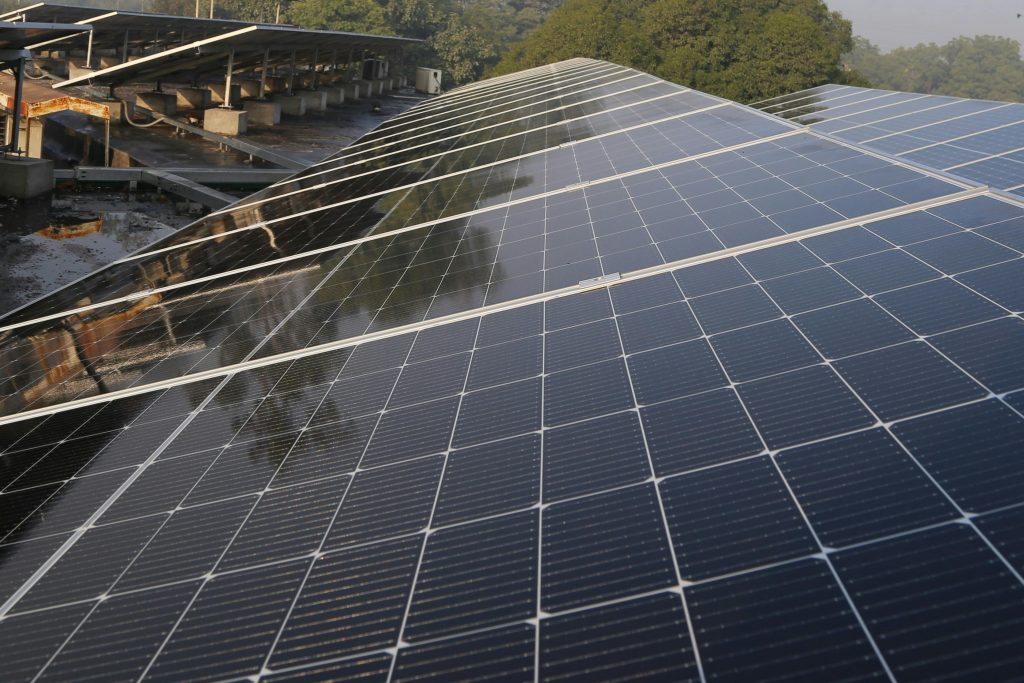
Roof angle, tilt, and placement matter a lot
This is one of those boring details that turns out to be wildly important.
In a DOE/NREL-supported Mount Rainier case study, experts recommended using at least a 30° tilt to help snowmelt and keeping the lower edge of panels high enough to account for heavy snowfall. That tells you something useful: winter-ready solar is not only about buying panels. It’s about installing them in a way that helps them shed snow and avoid damage.
So if you live in a snowy area, a slightly steeper setup may do you a favor. It can help panels clear faster and get back to work sooner.
Batteries and net metering can smooth out winter gaps
Winter is where energy strategy starts to matter as much as hardware.
DOE explains that storage helps solar contribute even when the sun isn’t shining. That can be especially helpful during storm season, outages, or stretches of cloudy weather. Meanwhile, in places where net metering or similar bill credits are available, extra summer production can help offset weaker winter months.
And if you’re still figuring out how to wire an array efficiently, this guide to solar panel series vs parallel wiring is a useful next step.
Common myths about solar panels in winter
Let’s clear up a few myths fast:
- “Solar panels stop working when it’s cold.”
Cold temperatures can actually help photovoltaic systems perform more efficiently. - “Snow means zero solar all season.”
Light snow may have limited impact, and heavy snow usually causes temporary loss rather than permanent failure. - “Cloudy winter days make solar pointless.”
Output drops, but panels can still produce electricity under cloud cover. - “Winter damage is unavoidable.”
Good design, proper tilt, and climate-aware installation reduce the risk.
When solar panels still make financial sense
Solar can still be a smart move if:
- your roof gets decent year-round sun
- your utility rates are high
- you plan to stay in your home for several years
- you want backup options during outages
- you value lower long-term energy bills more than perfect month-to-month consistency
For a lot of households, the question is not, “Will winter be amazing?” It’s, “Will the system make sense over the whole year?” Usually, that’s the better question.
Times when solar may not be your best fit
Let’s be honest for a second. Solar is not magic.
It may be a weaker fit if your roof is heavily shaded, structurally unsuitable, or located in a spot where snow loads are severe and the system cannot be designed appropriately. It may also be harder to justify if you expect to move soon or if your local policies make solar economics unusually rough. Heavy snow and freeze-thaw stress can create real durability concerns when systems are poorly matched to climate.
That doesn’t mean “never.” It means “plan carefully.”
5 Solar products worth a look
These are not whole-home replacements. They’re practical solar options for backup power, small off-grid use, RVs, sheds, cabins, and portable setups.
Renogy Solar Panel 100 Watt 12 Volt, High-Efficiency Monocrystalline PV Module Power Charger
A solid entry-level rigid panel for DIY users. Amazon lists it at 100W, 12V, with monocrystalline construction and a listed efficiency of 25%, and the panel weighs about 13 pounds. This one makes sense for RV owners, small shed systems, or anyone building a simple off-grid starter setup.
Jackery SolarSaga 100W Air Solar Panel
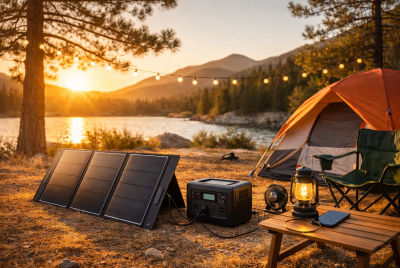
This is the travel-friendly option. Amazon says it weighs just 7 pounds, uses bifacial panels rated at 23% efficiency, and is built for portable power stations, camping, and off-grid trips. It’s a nice fit for people who want something easy to carry instead of a permanent rooftop-style panel.
Renogy Flexible Solar Panel 100 Watt 12 Volt Monocrystalline Semi-Flexible Bendable Mono Off-Grid Charger
If you’re dealing with curved or awkward surfaces, this is the interesting one. Amazon describes it as super thin, semi-flexible, and suitable for RVs, boats, vans, and other uneven mounting areas. The listing also says it was tested for snow loads up to 5400 Pa, which makes it worth a look for tougher conditions.
ECO-WORTHY 200 Watts 12 Volt/24 Volt Solar Panel Kit with 30A PWM Charge Controller
This kit is better for someone who wants more than a single-panel experiment. Amazon says it uses monocrystalline cells, includes a 30A controller, and lists daily output at up to 800Wh under 4 hours of full sunshine. That makes it appealing for RVs, cabins, caravans, or other small off-grid systems.
Jackery Solar Generator 300, 293Wh Backup Lithium Battery with 1X Solar Panel SolarSaga 100W Air
This one is less about rooftop solar and more about practical backup. Amazon lists a 293Wh battery, two pure sine wave AC outlets with 300W output, and a bundled SolarSaga 100W Air panel. It’s best for outages, travel, tent camping, or anyone who wants solar-charged power without building a full system.
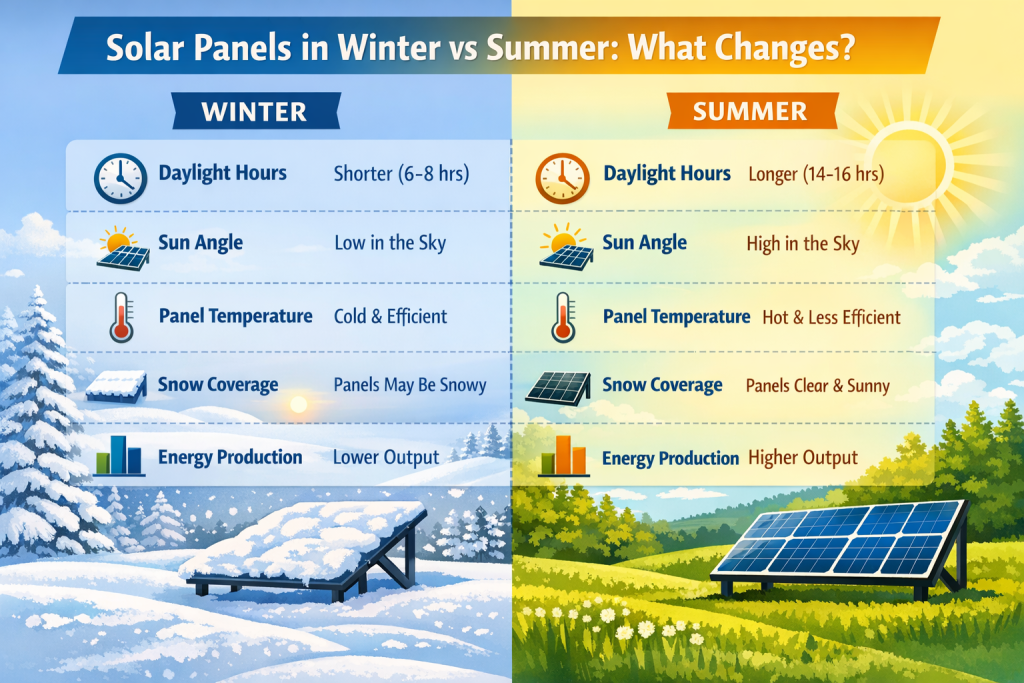
What research says about winter solar performance
A useful NREL winter solar performance analysis found that winter PV performance was 5%–10% below summer performance on average, likely due to snowfall. It also found a simple relationship between snowfall and snow loss, with 6%–40% losses in months with nonzero snowfall, depending on climate. That does not mean winter solar fails. It means snow can meaningfully reduce output in some places, so expectations should match local conditions.
A broader DOE photovoltaic system performance assessment looked at 75 federal PV systems and found average availability of 95%, with an average performance ratio of about 79% and energy ratio around 75%. In plain terms, real-world solar systems usually keep working reliably, but some underperformance is normal and maintenance still matters.
And for snow-heavy regions, the IEA review of snow losses on photovoltaic systems is worth reading because it highlights both performance losses and durability risks from winter weather.
Frequently asked questions about solar panels in winter
Do solar panels work when it is snowing?
Yes, but output can drop depending on how much of the panel is covered. Light snow may have a small effect, while heavy accumulation can block production until the panel clears.
How much less electricity do solar panels generate during the winter?
It varies by location, snowfall, daylight hours, shading, and system design. NREL found winter performance was 5%–10% below summer on average, with snowfall-related monthly losses ranging from 6% to 40% in snowy months depending on climate.
Should you brush snow off solar panels?
Sometimes, but carefully. If panels are easy and safe to reach, gentle clearing may help. However, many systems shed snow on their own, and aggressive scraping can risk damage. In many cases, smart installation does more than constant winter cleanup.
Are solar batteries worth it for winter outages?
They can be. Storage helps solar contribute when the sun is not shining, which makes batteries especially useful during storms, grid interruptions, or low-light stretches.
Do portable solar panels perform well in cold weather?
Yes. Portable solar panels still rely on sunlight, not warm air. Cold weather does not stop them from working, although clouds, snow cover, and short winter days still affect how much energy you collect.